
Last updated November 25, 2026
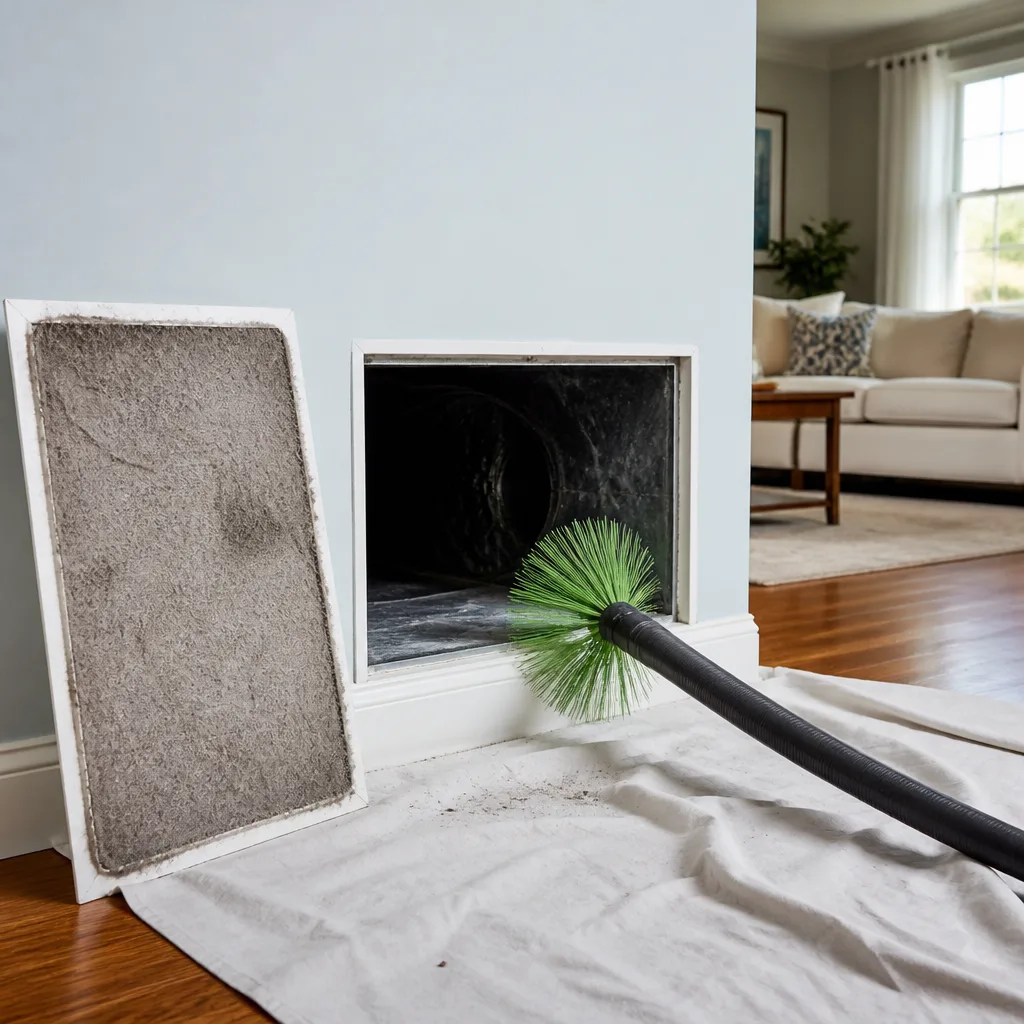 Whole-home duct cleaning
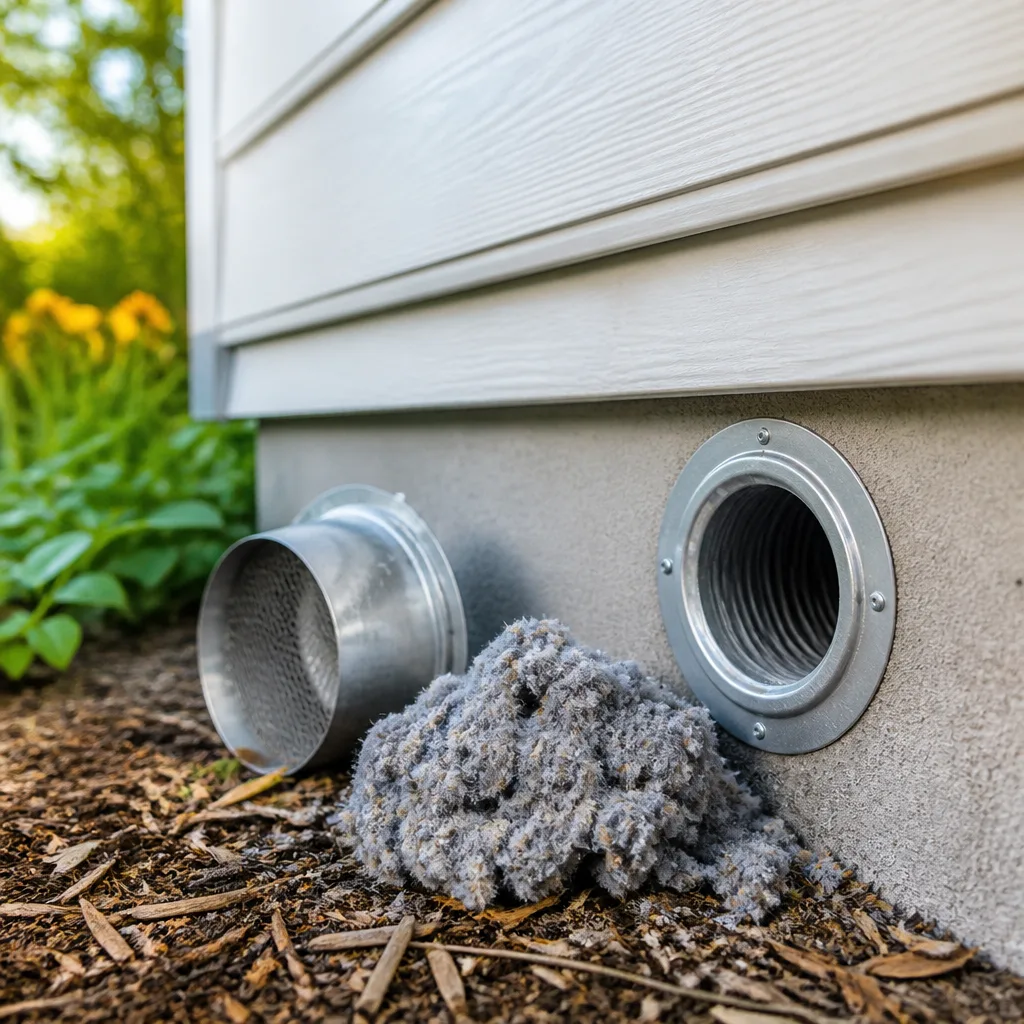 Dryer vent cleaning
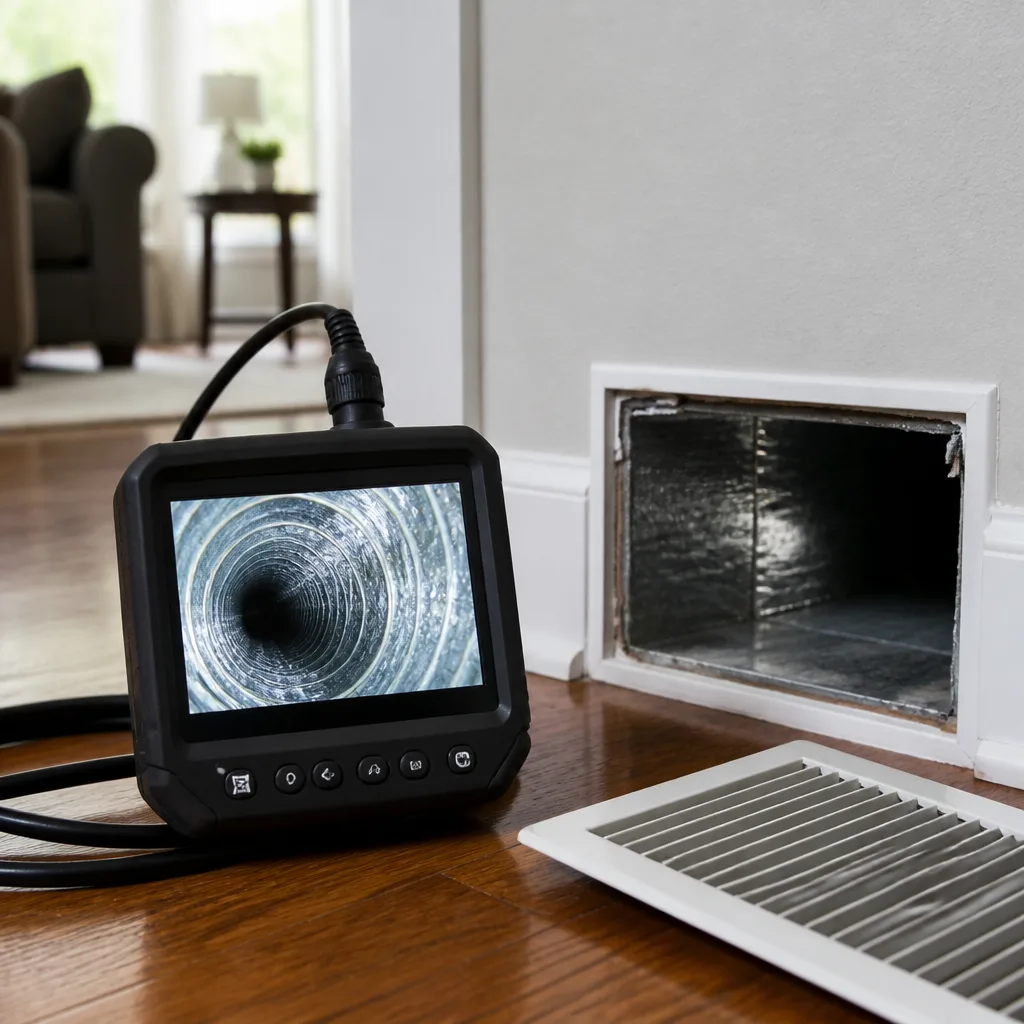 Camera inspection
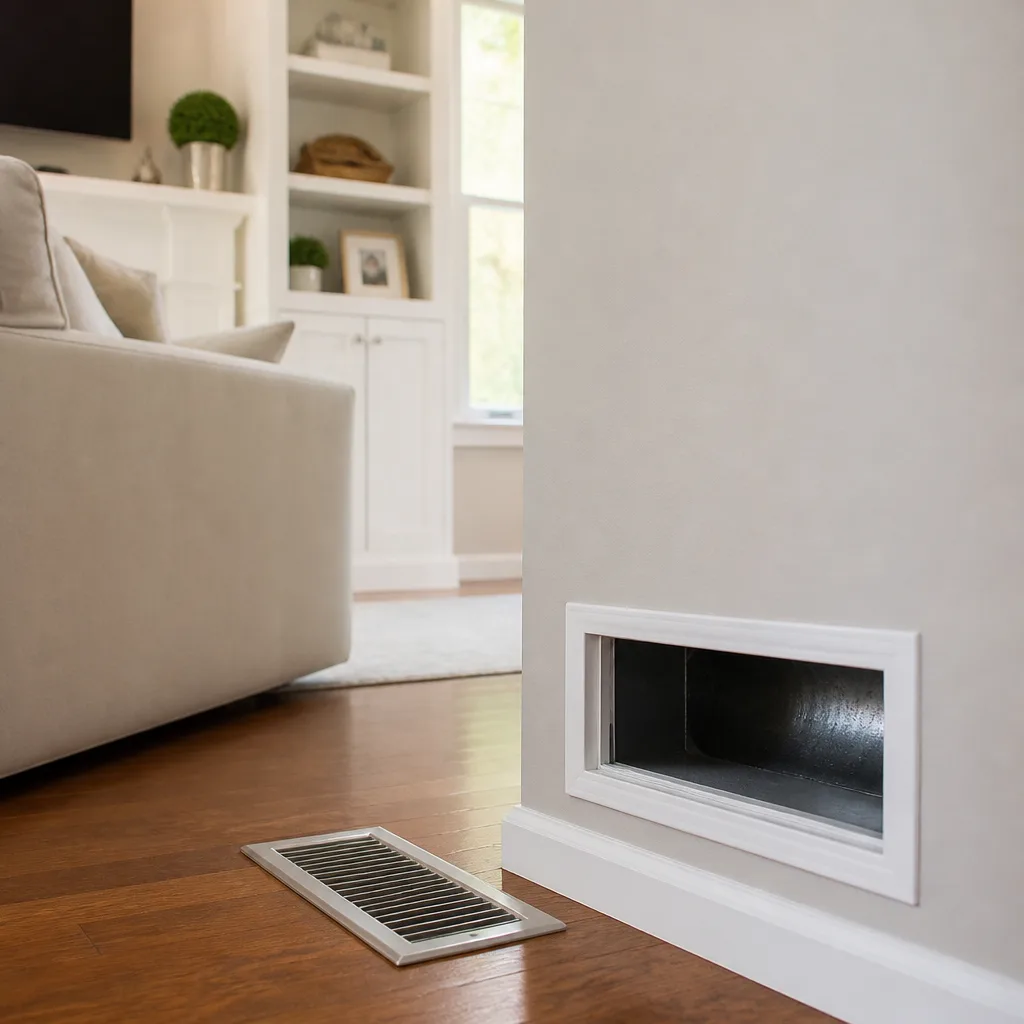 Sanitizing & deodorizing
Whole-system duct and dryer vent check with before-and-after photos - you see exactly what came out of your vents
That "$99 whole-house special" is a bait ad - the real number appears once they are in your hallway, or the "clean" is a shop-vac at the register. We photograph the inside of your ducts before and after instead.
The Complete Guide to Air Duct Cleaning in Fishtown
Most people assume duct cleaning means vacuuming out visible dust. In Fishtown, that assumption falls apart fast. The neighborhood’s rowhouse stock means most homes share wall cavities and have duct runs that were retrofitted into spaces never designed for forced air. That changes what a thorough cleaning actually requires, and it changes what equipment a contractor needs to reach the problem in the first place. This guide walks through the full process as it applies to Fishtown homes specifically: how retrofit layouts affect access, which tools do which job, how to tell a real source-removal cleaning from a surface wipe-down, and what documentation you should expect when the work is done.
Quick Answer
A thorough air duct cleaning in Fishtown means source removal, not surface dusting: a HEPA-filtered negative air machine pulls the system under vacuum while rotary brushes and compressed air dislodge debris from every branch line, and the technician inspects the interior with a camera before and after. The job is finished when the ducts are visibly clean, the vacuum has captured what came out of them, and you have documentation of both.
Styles & brands we work with
- Whole-home duct cleaning
- Dryer vent cleaning
- Camera inspection
- Sanitizing & deodorizing
Table of Contents
- Why Fishtown Rowhouse Layouts Change the Job
- The Equipment That Actually Does the Work
- Source Removal vs. a Surface Wipe-Down
- What’s in Fishtown’s Air and What Gets Into Your Ducts
- The Cleaning Process, Step by Step
- What a Completed Job Looks Like
- Duct Repair and Sealing: The Part Most Cleaners Skip
- Dryer Vents: The Other Duct in the House
Why Fishtown Rowhouse Layouts Change the Job
Fishtown’s housing stock was built long before central forced-air heating was standard. When ductwork was added to these rowhomes, it had to fit around existing floor joists, party walls, and stairwells. The result, in house after house on these blocks, is a system with short runs, tight turns, and branch lines that terminate inside wall cavities or above ceilings where there’s very little room to work.
That matters for cleaning because access is everything. A contractor who works only from the supply registers can’t reach the far end of a run that turns twice inside a wall. In rowhouse construction, the party wall between units is often where the main trunk gets tucked, and there’s rarely a clean straight shot from the register back to the plenum. We’ve seen plenty of Fishtown systems where a single run needs to be accessed from a register, a return grille, and a cut access panel near the air handler just to get full coverage.
Retrofit systems in Fishtown also tend to mix duct materials within one house. A trunk might be rigid galvanized steel in the basement, flex duct through the middle floor, and original tin-lined runs at the second floor. Each material responds differently to brushes and air pressure. Flex duct can’t take the same rotary brush pressure as rigid steel without risking the inner liner. Knowing which material you’re looking at determines how the cleaning proceeds.
What this means for access points
- Basement trunks usually need an access panel cut at the far end to reach dead-end debris.
- Second-floor runs in Fishtown rowhomes often require working from both the register and the boot.
- Return-air chases in party walls are frequently the dirtiest section and the hardest to reach.
- Original tin ducts built into wall framing may have seams that brushes can snag, so pressure and brush rotation are adjusted run by run.
If you’re hiring, ask how the contractor plans to reach the far ends of your runs. If the answer is “we’ll run the vacuum from the register,” the job will likely be incomplete.
The Equipment That Actually Does the Work
Air duct cleaning lives or dies on equipment. Consumer shop vacuums and hand tools have no place in a real system cleaning: they can’t pull enough negative pressure to move settled debris through a long horizontal run, and they can’t filter what they do move. Here’s what a professional setup involves and why each piece matters.
The negative air machine
A HEPA-filtered negative air machine connects to the main trunk through a sealed collar and pulls the entire duct system into negative pressure before any brushing starts. That vacuum does two things. It creates a pressure differential that keeps dust moving toward the machine rather than into the room. And it captures the fine particulate through a HEPA filter so what comes out of the exhaust is clean air. Without this step, brushing just relocates dust into the living space. We use Abatement Technologies equipment for this stage of the work, because the filter housing is built to handle heavy particulate loads that show up in older homes.
Rotary brush systems
Rotary brushes, like the Rotobrush systems we use, drive a spinning brush head through each branch line with a flexible whip. The brush spins against the duct walls to dislodge what’s stuck there. Debris that’s been settled and caked for years doesn’t come loose from airflow alone; it needs physical agitation. The brush is chosen to fit the duct diameter, and the whip drives it down the full length of the run.
Inspection cameras
Camera inspection is what separates a documented cleaning from a guess. A camera on a flexible rod is fed into the duct before work begins, after brushing is done, and sometimes midprocess if a run is particularly bad. The before and after footage is the single most valuable thing a contractor can show you.
Compressed air and HEPA vacuuming
Rigid and semi-rigid components – the air handler cabinet, the plenum, coil surfaces, and register boots – get cleaned with compressed air in combination with HEPA vacuuming. That process is what pulls debris off surfaces the brushes can’t reach, and it’s part of what makes HVAC cleaning a separate service that belongs alongside duct cleaning, not an upsell.
Source Removal vs. a Surface Wipe-Down
Here’s where more jobs go wrong than any other place in this business. Plenty of services call themselves “duct cleaning” but only do what’s effectively a surface wipe-down: push air through the system, brush visible dust off the registers, run a vacuum near the plenum for a few minutes, and call it done. Actual source removal pulls the accumulated debris out of the duct where it accumulated.
Surface wipe-downs aren’t the same service, but they’re priced like it, which is why quotes vary so widely. A few things to look for when comparing:
- Vacuum first, then brush. A source-removal job starts with the negative air machine running. If the technician brushes before the vacuum is connected, the dust goes into the room.
- Every branch line, not just the main. Ask how many runs were cleaned. In a Fishtown rowhouse, that’s typically between six and fourteen branch runs depending on layout and how many floors the system serves.
- Access openings at dead ends. Real cleaning cuts access where debris settles at run ends. A wipe-down doesn’t cut anything.
- Return-air side. The return chase collects as much as the supply side. If a contractor only cleans supply registers, a full half of the system gets skipped.
- Photo documentation. Source removal generates before-and-after photos of duct interiors. A wipe-down doesn’t produce that because there’s nothing to photograph.
Surface dust on register covers is the least useful indicator of duct cleanliness. What matters is the interior of the run and the plenum, and you can’t see that without a camera or an access panel.
What’s in Fishtown’s Air and What Gets Into Your Ducts
Fishtown’s dense urban setting affects what accumulates inside a home’s ductwork. A few contributors show up in the neighborhood specifically:
Urban particulate. Traffic and construction near major corridors feed fine particulate into the outdoor air, and the amount that reaches your return intake depends on filter quality and the air-tightness of the envelope. Homes on the busier blocks pull in more. A properly sealed return with a good filter helps, but no filter catches everything, and the air that gets through carries whatever it was carrying.
Older insulation materials. Some Fishtown homes still have insulation types and duct linings that were standard practice decades ago. When that material starts to break down, fibers can migrate into the airstream. A cleaning that doesn’t take material condition into account can make that worse by disturbing it; that’s why inspection comes first.
Renovation dust from neighboring rehabs. Old rowhomes in Fishtown are frequently gutted and rebuilt. Dust from adjacent or nearby construction migrates through shared walls, common voids, and open windows, and much of it arrives at the return intake. Homes that have recently had work done next door often see the dust land inside their ducts rather than just on their furniture.
We’ve found that the combination of these three contributors, plus years of settling, is why an older rowhouse system often needs more involved cleaning than a newer build. If there’s a specific concern about what’s been pulled in – including post-renovation dust – the equipment matters. For air quality and contamination concerns, we bring Abatement Technologies equipment, which is built for heavier particulate and filtration requirements than standard cleaning gear.
The Cleaning Process, Step by Step
A full cleaning on a Fishtown rowhouse typically runs a half day to a full day depending on system extent, number of runs, and how much access is available. Here’s what a properly performed job looks like, in order.
- Walkthrough and inspection. The technician maps the system layout, finds the air handler, traces trunk and branch runs, checks for disconnected ducts, and inspects the duct interiors with a camera. This step determines the plan.
- Protection. Floors and nearby surfaces are covered. Furniture moving and any register removal happen at this stage.
- Connect the negative air machine. The HEPA vacuum is sealed into the main trunk with a collar, and pressure is verified before any agitation begins.
- Brush each branch line. A rotary brush of the correct size for each run is driven through the full length. Debris is pulled back to the vacuum connection.
- Clean the plenum and air handler. Coil surfaces, blower compartment, and interior cabinet are cleaned with HEPA vacuuming and compressed air. This is where a lot of the dirt actually lives.
- Clean registers and boots. Every grille and boot is cleaned individually. The boot – the angled connection between duct and register – catches a disproportionate share of debris.
- Clean the return-air side. The return chase and every return grille get the same treatment as supply.
- Post-cleaning camera inspection. Each run is checked with the camera, before-and-after photos are captured, and any remaining debris or disconnected sections are flagged.
- Documentation. The technician reviews findings, delivers photos, and notes anything that needs repair, sealing, or follow-up.
The exact same process applies to air duct cleaning whether the system is one floor or three; the difference is time and access work.
When the system needs repair
Camera inspection regularly turns up things cleaning alone won’t fix: disconnected flex sections, seams with gaps, and duct runs that have separated from their boots. In a Fishtown rowhouse with retrofit ductwork, this is common because the ducts were fit around existing framing and joists that never accommodated them cleanly. We repair what we find, then seal it, so that the cleaned air doesn’t leak into wall cavities the moment it leaves the plenum.
What a Completed Job Looks Like
A finished duct cleaning should leave you with more than a receipt. Here’s the documentation a credible contractor should be able to provide at the end of the job.
- Before-and-after photos of duct interiors. Not just register covers or the outside of the air handler; interior shots of each run showing what was there and what’s gone.
- A written summary of what was cleaned. How many supply runs, how many return grilles, which access points were cut, and whether the plenum and air handler cabinet were included.
- Any findings on disconnected or damaged ductwork. Seams with gaps, sagging flex, disconnected boots, and any spot where the camera showed something needing repair instead of cleaning.
- Post-cleaning camera verification. A technician who can show you footage of the interior after the work, from the same vantage points as the before shots, has done the job properly.
- A clear note on the filter. What filter was in place, whether it was replaced, and what a suitable replacement should be for that system.
If any of these are missing, ask. A contractor who did the work can show it. A contractor who ran a shop vac over the register and pushed some air around can’t.
Duct Repair and Sealing: The Part Most Cleaners Skip
Cleaning the duct doesn’t help much if the duct leaks. A typical Fishtown rowhouse has duct joints and connections that were installed with tape, mastic, or in the case of older retrofit work, nothing at all in some spots. Every gap in the run pulls in unconditioned air from whatever space the duct passes through – a wall cavity, an attic, a basement – and carries that air into your living room. Seams with gaps are also where new dust enters the system.
Sealing the ductwork after cleaning closes those gaps. That’s why we treat HVAC cleaning and duct repair and sealing as parts of the same job: cleaning without sealing means the system goes back to leaking, and repairing leaks means the cleaned duct stays cleaner longer.
Sealing options depend on the gap and the duct material:
- Mastic sealant for rigid metal joints and seams with moderate gaps, applied to the outside of the joint.
- Foil-backed tape for rigid duct connections, rated for HVAC use.
- Mechanical connectors and mastic for sections that have separated, where the duct needs to be reconnected before sealing.
- Flex duct replacement when the inner liner has torn or the duct has collapsed; that can’t be sealed and does need to be replaced.
A camera inspection during cleaning is what identifies which of these applies to each run. Without it, a contractor is guessing, and so are you.
Dryer Vents: The Other Duct in the House
Fishtown rowhouses typically route their dryer vent through a long run to an exterior wall, sometimes with two or three bends and a screen or flapper cover at the end. Lint collects along that run, and the same rowhouse layout that makes duct access hard makes dryer vent cleaning harder: the vent is often tucked behind a stacked washer and dryer, or routed through an interior wall to reach the rear of the building.
If the dryer is taking noticeably longer to dry a typical load, the vent is a likely part of the problem. Lint buildup restricts airflow, extends drying time, and creates a fire risk because lint is highly combustible. Cleaning is the fix, and it should include brushing the full length of the run and pulling the lint out with a vacuum, not just clearing the outside flapper.
This is why dryer vent cleaning belongs in the same visit as a duct cleaning. It’s a separate, self-contained service, but the access work is similar, and it’s the one part of a home’s air pathway that runs a real safety risk when neglected. If your dryer hasn’t had attention in years and your cycle times are stretching, get it looked at.
Common Mistakes to Avoid
- Accepting a quote based on price alone. The lowest quote is often for a surface wipe-down, not a source-removal cleaning. Ask what’s included in writing, especially how many branch runs and whether the plenum is part of the job.
- Not asking whether the vacuum runs during brushing. If the technician brushes before the HEPA machine is connected, dust ends up in the room. A simple question during the walkthrough catches this.
- Assuming all Fishtown rowhouses have the same duct configuration. They don’t. Two houses on the same block can have completely different retrofit layouts, which is why a walkthrough and camera inspection come before any cleaning.
- Skipping the return side. Return grilles and the chase behind them often hold more debris than the supply side. Anyone who only touches supply registers hasn’t finished.
- Cleaning without addressing gaps and disconnected sections. If the duct leaks, the cleaning is temporary. Ask what the technician plans to do about sealing before the job starts.
- Ignoring the dryer vent because the ducts look clean. The dryer vent is its own run with its own risk profile. It’s not part of the HVAC system and doesn’t get cleaned by the duct cleaning.
- Hiring without asking for documentation. A camera inspection and before-and-after photos are standard on real work. If the contract doesn’t specify documentation, expect a surface job.
See the difference
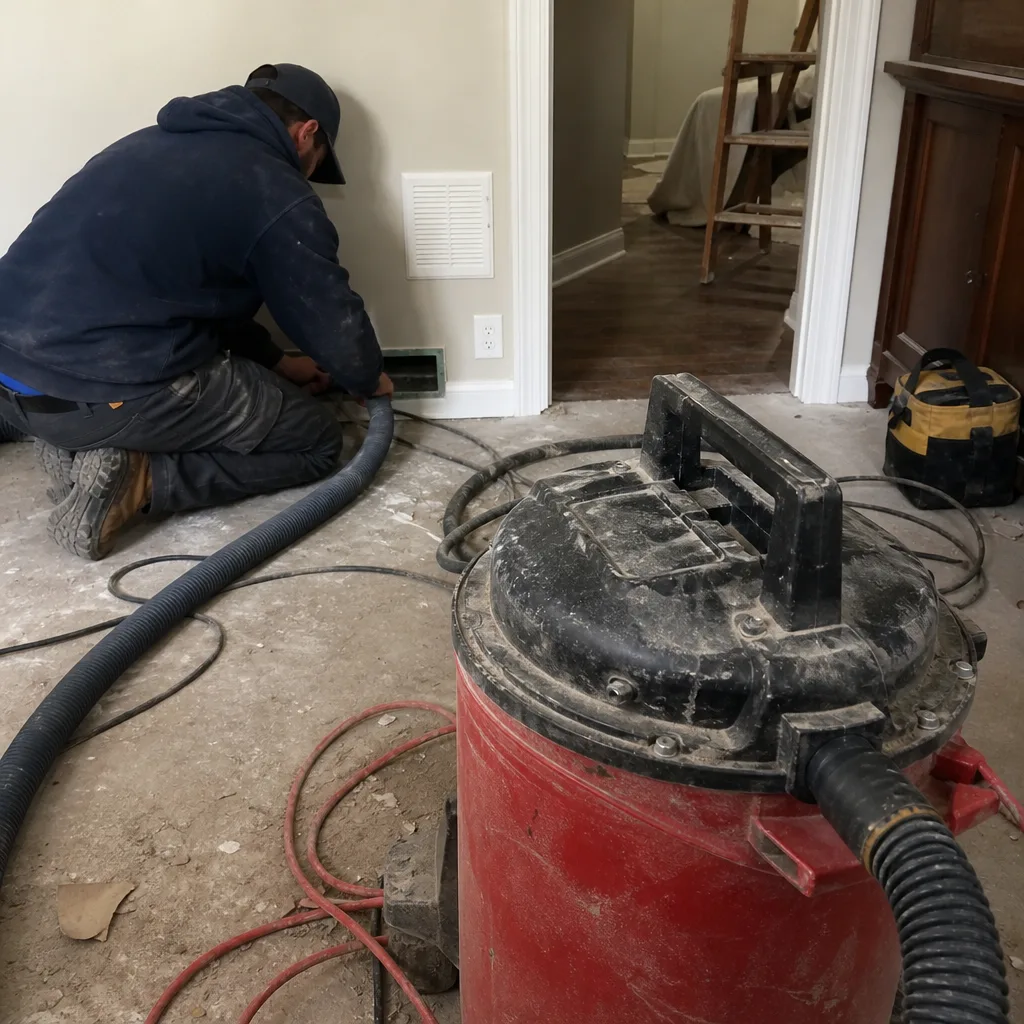 Before
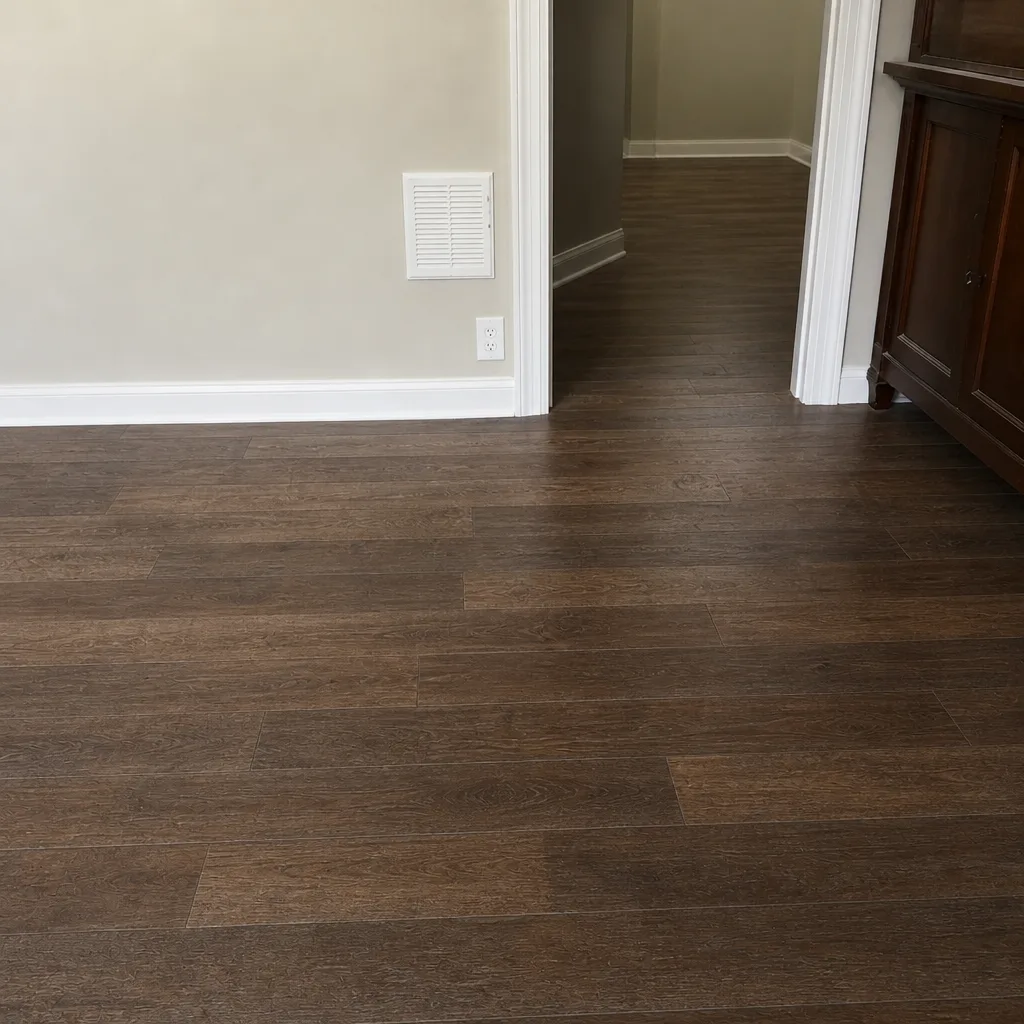 After
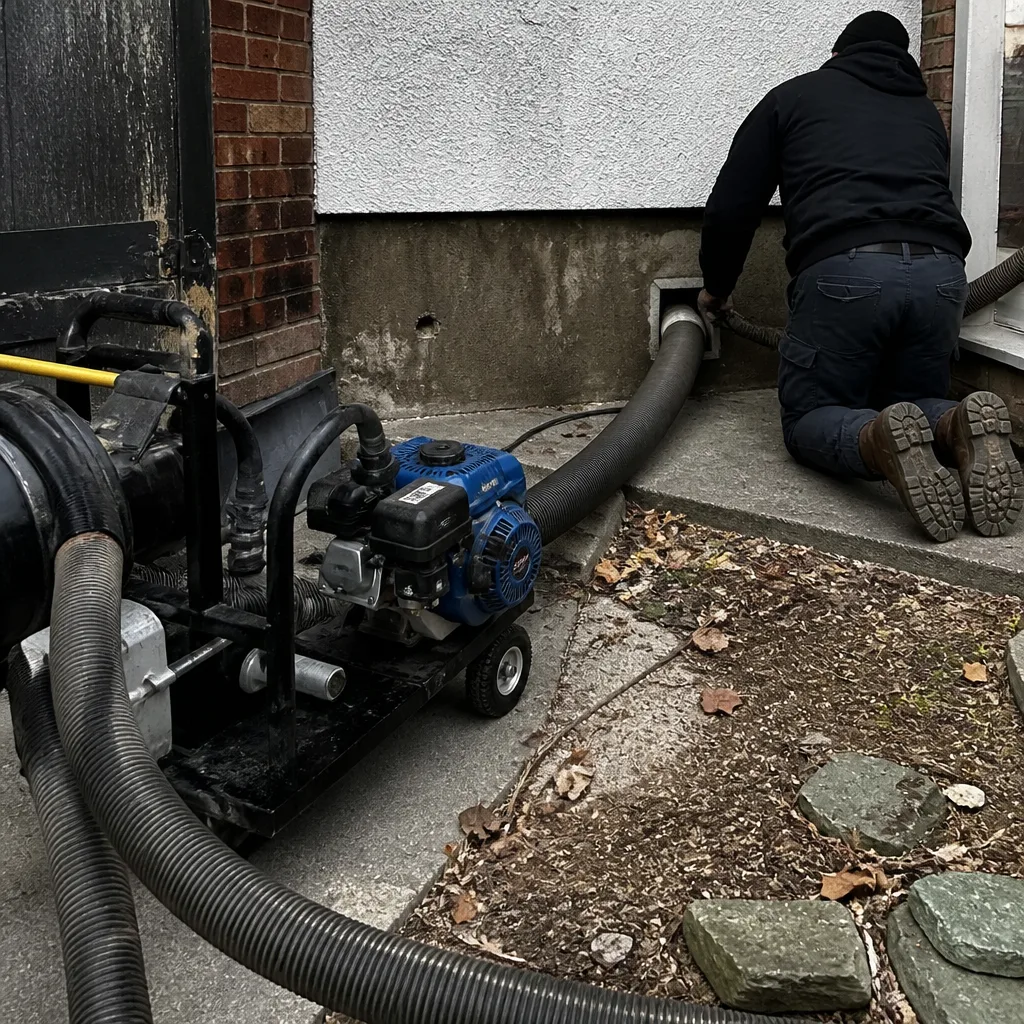 Before
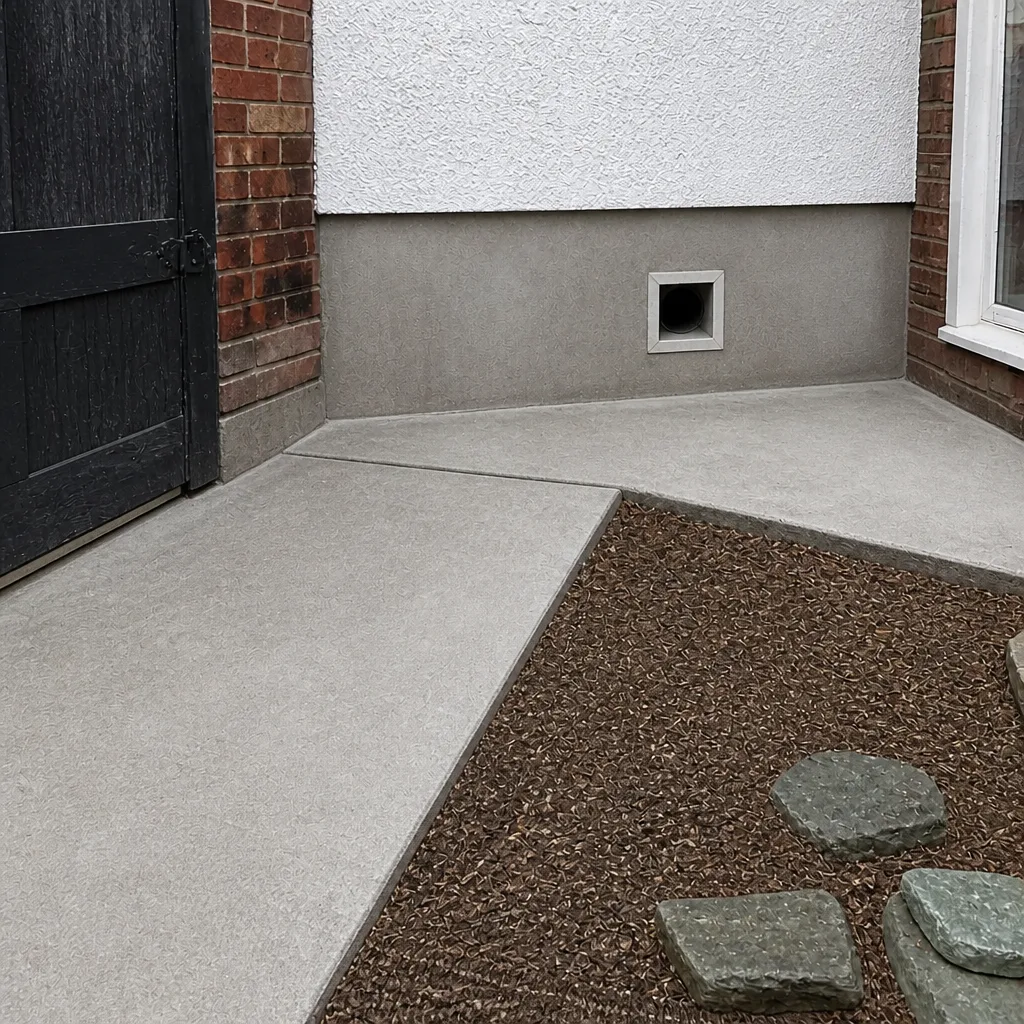 After
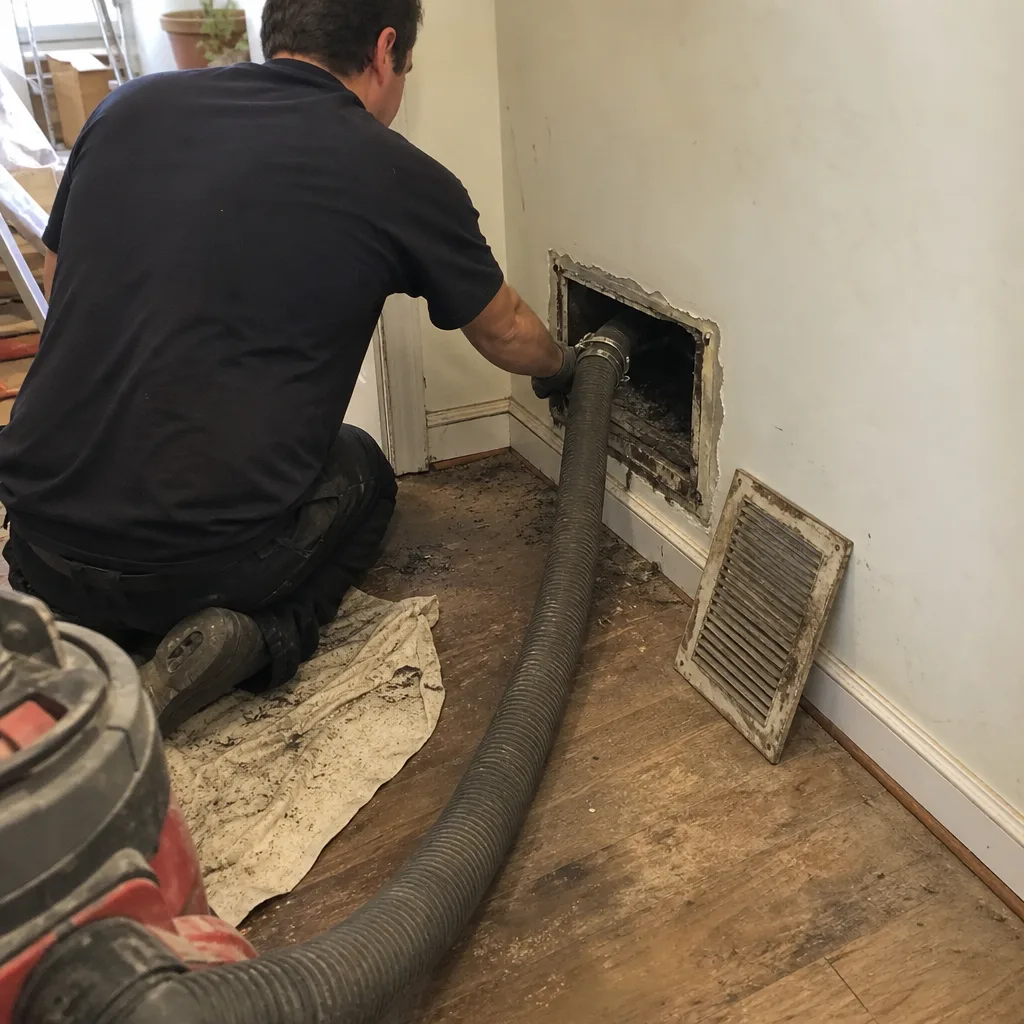 Before
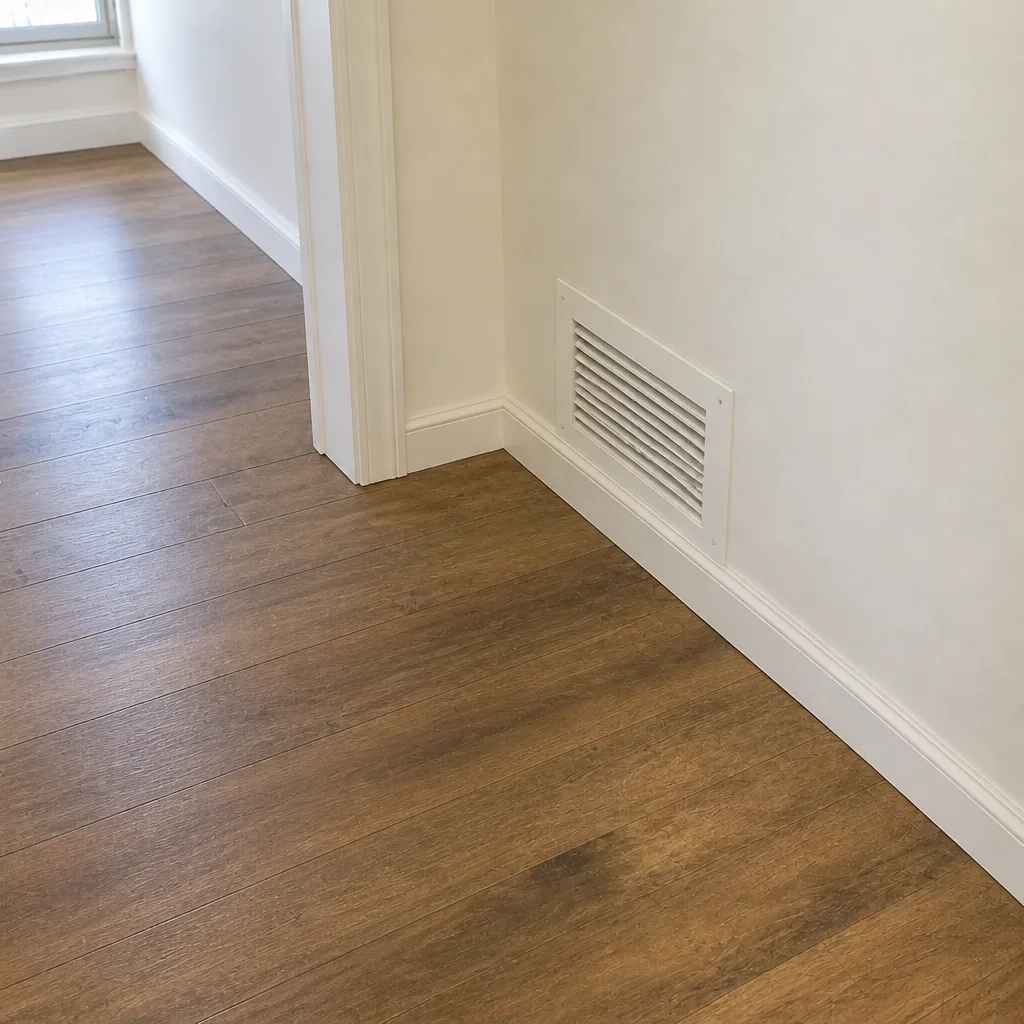 After
When to Call a Professional
Call a professional when the ductwork hasn’t been cleaned and inspected in years, when you’ve just finished a renovation or had work done next door, when someone in the home has consistent allergy symptoms, or when the HVAC system is struggling with airflow that didn’t come on gradually. If the dryer takes longer than it used to, that’s the dryer vent calling, not the ducts. In Fishtown’s older rowhouses, ducts that were retrofit-installed decades ago often hold debris that settles in hard-to-reach sections, and camera inspection is the only way to know what’s actually there. Air Duct Cleaning Fishtown offers free estimates in Fishtown with professional-grade equipment on every job. Call (855) 337-1165. We answer 24/7. Fast dispatch from 7am to 7pm, Sunday through Friday.
Frequently Asked Questions
A rowhouse duct cleaning is priced per job by written estimate after the technician inspects the system. The estimate is free, and the exact price depends on the number of branch runs, access available, and whether the plenum and air handler cabinet are included. The written estimate you receive sets the final price, and that’s why we inspect before quoting.
You know the work was done when you’re shown before-and-after camera footage of the duct interiors, a written summary of which runs were cleaned and what access points were cut, and any findings on damaged or disconnected ductwork. Register dust alone tells you nothing. Ask for the documentation before the technician leaves. Call (855) 337-1165 for a free estimate and we’ll walk through what our report includes.
Most homes do well with cleaning every few years, though the interval depends on the system, filter quality, the presence of pets or allergy sufferers, and whether the home has had recent renovation. Homes near construction activity in Fishtown tend to need more frequent attention because more dust arrives at the return intake. Call (855) 337-1165 for a free estimate to figure out whether now is the time.
Low quotes usually reflect a surface wipe-down, not source removal: registers dusted, a vacuum run near the plenum, and no camera inspection. The equipment cost difference between a shop vac and a HEPA negative air machine with a rotary brush system is real, and it shows in the labor and the result. Ask every contractor what equipment they’ll bring and how many branch runs they’ll clean. Then call (855) 337-1165 – estimates are free.
Cleaning reduces the accumulated dust, debris, and particulate that the airstream passes over, which helps when the underlying problem is a dirty system. It’s not a medical solution, and results depend on what’s being cleaned out and how the system is maintained afterward. We use HEPA filtration during cleaning so that particulate is captured, not recirculated. If the goal is better indoor air quality overall, ask about our full-system approach. Call (855) 337-1165 for a free estimate.
Yes – the return chase, the return grilles, the plenum, and the air handler cabinet all get cleaned as part of a full-system job. A duct cleaning that only covers supply registers leaves the return side dirty and the air handler untouched, which means the system goes back to circulating whatever’s settled there. The full-system approach addresses the entire air pathway. Call (855) 337-1165. We answer 24/7. Fast dispatch from 7am to 7pm, Sunday through Friday.
The Bottom Line
Fishtown’s rowhomes present a specific set of challenges: ductwork retrofitted into tight spaces, varied materials within one system, party-wall chases that are hard to access, and urban particulate plus renovation dust landing in the return intake. A thorough cleaning responds to those challenges with source removal – HEPA negative pressure, rotary brushing, camera inspection, and documentation – not with a shop vac and a register dusting. If you want a contractor who shows up with real equipment and explains what they’re doing, that’s how we work. Call (855) 337-1165 for a free estimate in Fishtown.
Key Takeaways
- Source removal requires a HEPA negative air machine running during brushing; a vacuum afterward isn’t the same job.
- Fishtown rowhouse retrofit ductwork needs camera inspection to determine what’s reachable and what isn’t.
- Return ducts, plenum, and the air handler cabinet are part of the system and part of the cleaning.
- Duct repair and sealing closes the gaps that let dust back in after cleaning.
- Dryer vent cleaning is a separate, safety-relevant service, not covered by duct cleaning.
- Ask for before-and-after photos and a written summary. That’s the documentation a real job produces.
Air Duct Cleaning Fishtown provides residential and commercial air duct cleaning, dryer vent cleaning, HVAC cleaning, duct repair and sealing, and air-quality sanitizing using professional-grade equipment including Rotobrush, Nikro, and Abatement Technologies systems. We work with Honeywell and Aprilaire air quality equipment and our technicians have up to 11 years of experience. Call (855) 337-1165 for a free estimate. We answer 24/7. Fast dispatch from 7am to 7pm, Sunday through Friday, closed Saturday.
Written by the team at Air Duct Cleaning Fishtown.