
Last updated November 25, 2026
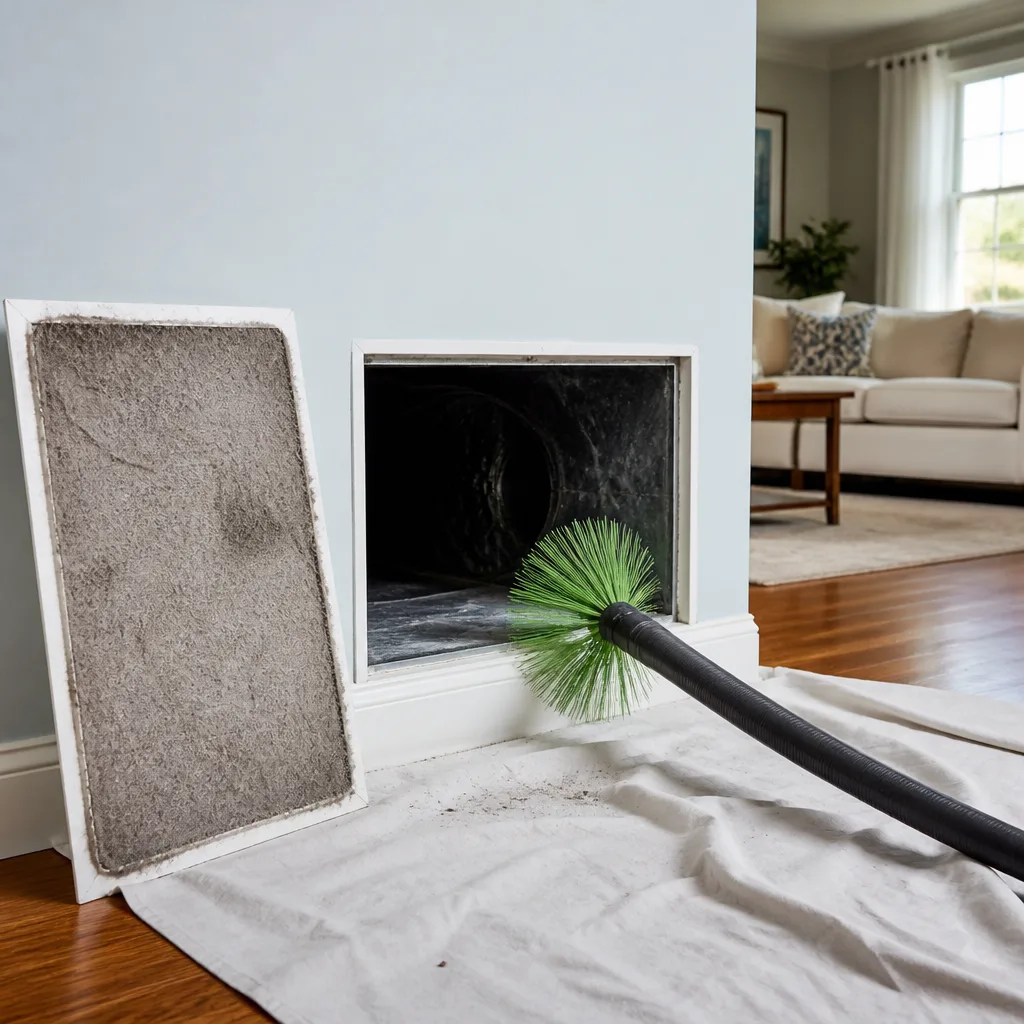 Whole-home duct cleaning
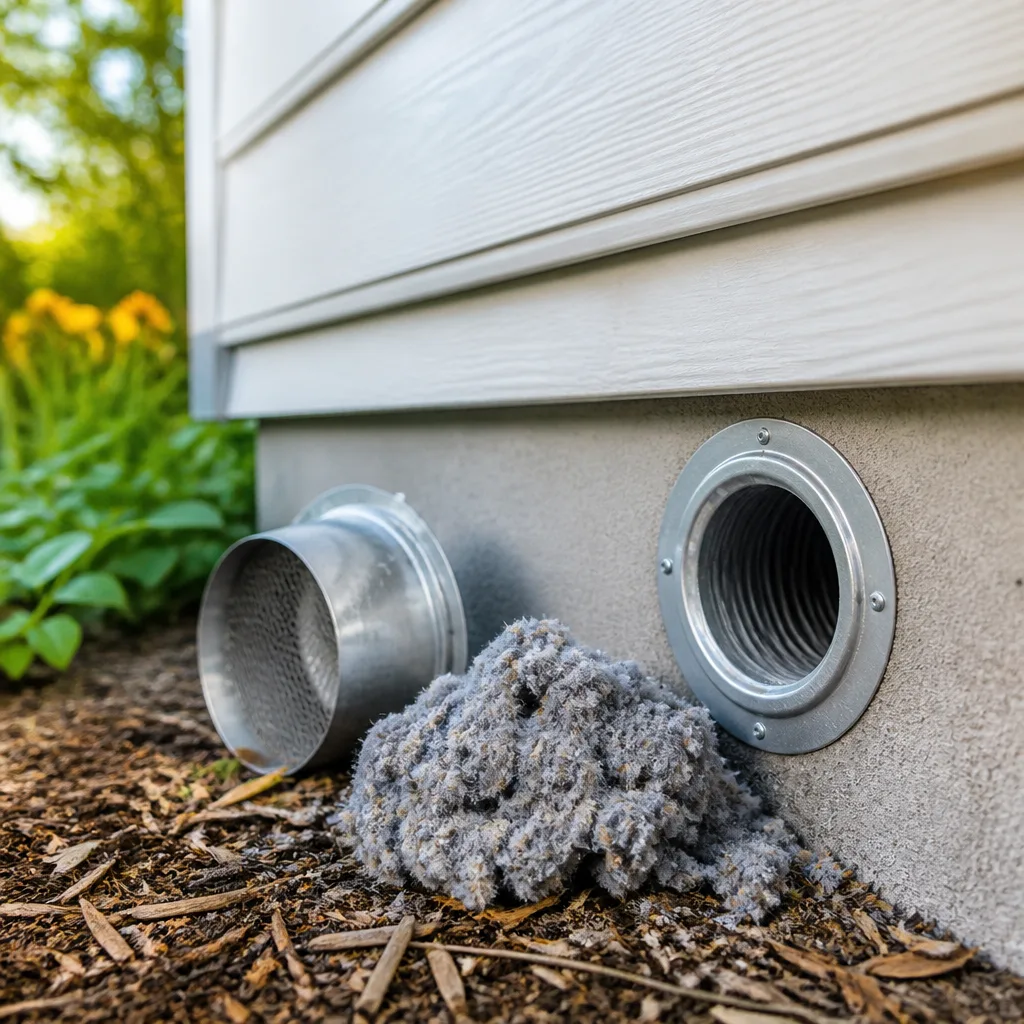 Dryer vent cleaning
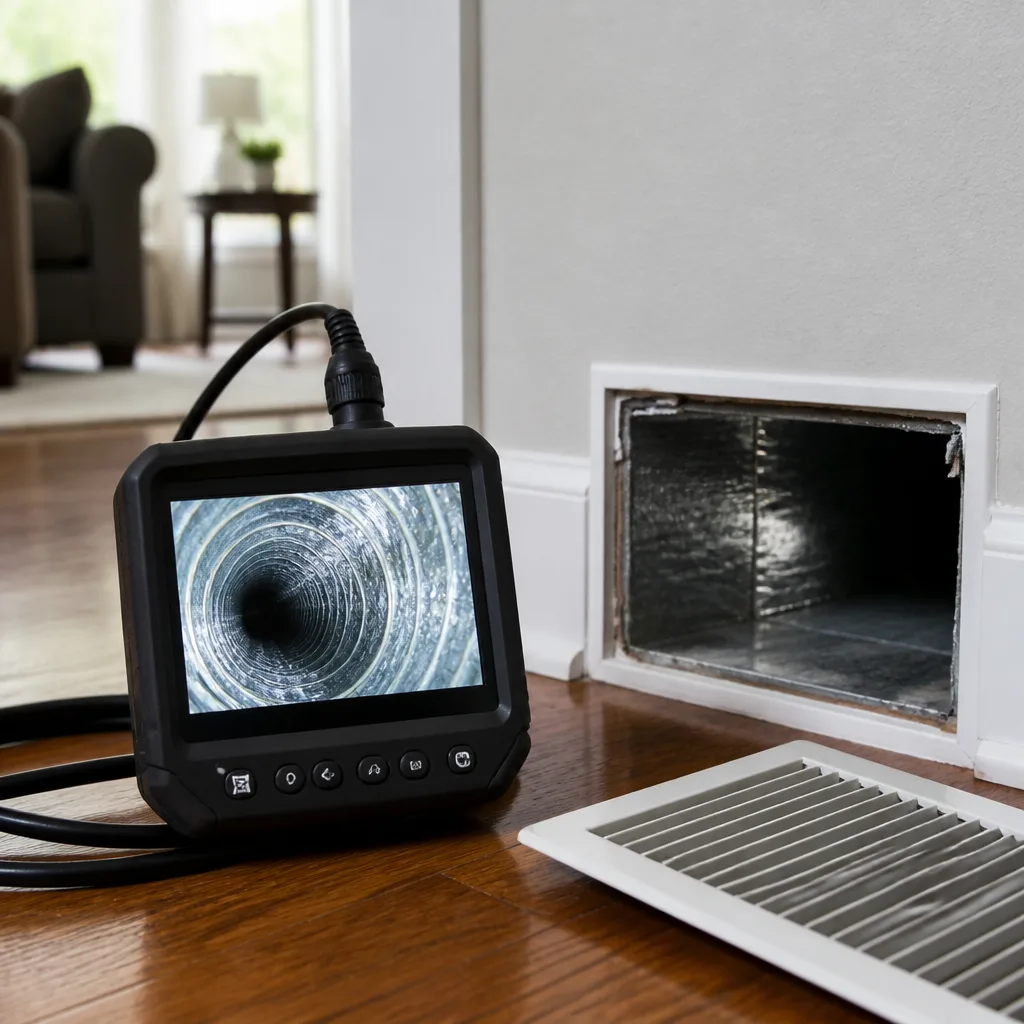 Camera inspection
 Sanitizing & deodorizing
Whole-system duct and dryer vent check with before-and-after photos - you see exactly what came out of your vents
That "$99 whole-house special" is a bait ad - the real number appears once they are in your hallway, or the "clean" is a shop-vac at the register. We photograph the inside of your ducts before and after instead.
Air Duct Cleaning Permits, Codes & Inspections in Fishtown, PA: What You Need to Know
Most homeowners assume duct cleaning is maintenance-only and permit-free, and they’re usually right. The trouble starts when a contractor opens up a return and finds crushed flex duct, a disconnected run, or a liner peeling away from the inside of the trunk. At that point the job stops being cleaning and becomes mechanical work, and different rules apply. In Fishtown, where a lot of housing stock predates modern ductwork by decades, that line gets crossed more often than people expect. This guide walks through where cleaning ends and permitting begins, what Philadelphia’s mechanical code covers, how to check a contractor’s credentials, and what paperwork to keep when the work is done.
Quick Answer
Routine air duct cleaning in Fishtown does not require a permit, because it’s classified as maintenance and no part of the mechanical system is altered. Duct repair, section replacement, liner work, or any modification that changes the layout, size, or connections of the system usually does require a permit and inspection under Philadelphia’s mechanical code. If the scope grows past cleaning, ask the contractor to confirm in writing whether a permit is needed before the work starts.
Styles & brands we work with
- Whole-home duct cleaning
- Dryer vent cleaning
- Camera inspection
- Sanitizing & deodorizing
Table of Contents
- Cleaning vs. Mechanical Alteration: Where the Line Sits
- What Philadelphia’s Mechanical Code Actually Covers
- When Duct Repair or Replacement Triggers a Permit
- How to Verify a Contractor Is Licensed for Mechanical Work
- Older Fishtown Homes: Knob-and-Tube, Asbestos, and What Discovery Requires
- What an Inspection Actually Looks Like
- Documentation to Keep After Any Duct Work
- Why This Matters at Resale and for Insurance
Cleaning vs. Mechanical Alteration: Where the Line Sits
The distinction sounds academic until you’re standing in a Fishtown rowhouse basement watching someone cut out a section of duct with a recip saw. Here’s the practical split.
Maintenance, no permit: removing debris, dust, and buildup from ducts that stay in place and stay connected. This includes source removal with negative-pressure equipment, brushing the interior surfaces, cleaning the blower and coil, sanitizing the interior of the ductwork, and cleaning the registers and grilles. Nothing is added, removed, or rerouted. The system goes back exactly the way it came apart. This is what air duct cleaning refers to in the strict sense, and it’s the overwhelming majority of what gets done in Fishtown homes.
Alteration, permit likely: anything that changes the mechanical system itself. Replacing a collapsed run of flex duct. Cutting in a new supply or return. Resizing a trunk line. Sealing with mastic and mesh where the duct has physically failed. Installing a new liner inside existing ductwork. Relocating a register. Tying in a whole-house humidifier or a media filter cabinet from a brand like Aprilaire or Honeywell that requires cutting into the return plenum.
The reason permits exist here isn’t bureaucracy for its own sake. Duct systems are sized. A return that’s undersized for the equipment starves the blower. A supply run that’s rerouted through an unconditioned chase loses heat and creates condensation problems. A permitted job gets looked at by someone whose job is to catch those mistakes before they become a call-back two winters later.
If you’re not sure which side of the line your job falls on, describe the scope to the contractor and ask directly. A straight answer takes thirty seconds. A vague one is worth pressing on.
What Philadelphia’s Mechanical Code Actually Covers
Philadelphia enforces its own mechanical code, rooted in the International Mechanical Code (IMC) framework with local amendments. You don’t need to read the code book to understand how it applies to ductwork, but you should know what it regulates.
- Duct construction and materials. The code sets minimum requirements for duct material, thickness, support spacing, and sealing. Duct tape alone is not an approved permanent seal under the code. Mastic, approved tape with the right listing, and mechanical fasteners are.
- Sizing and airflow. Supply and return capacities have to match the equipment. This is where a lot of unpermitted DIY work fails inspection.
- Clearances. Ducts passing near certain appliances, or through certain assemblies, have clearance requirements. A duct run that gets pushed against a chimney or a flue during a repair is a genuine hazard, not a technicality.
- Penetrations and firestopping. Where a duct passes through a rated assembly, the penetration has to be protected. Fishtown rowhouses with shared party walls make this more than theoretical.
- Ventilation and exhaust. Dryer exhaust and bathroom exhaust have their own rules, and they’re separate from the supply duct system. dryer vent cleaning is a maintenance task, but replacing or rerouting dryer exhaust duct is not.
One thing worth flagging: the code governs the system, not the cleaning. There is no section of Philadelphia’s mechanical code that says “thou shalt clean thy ducts every X years,” because duct cleaning is maintenance, and maintenance intervals aren’t code-driven. Anyone who tells you the code requires annual cleaning is either confused or selling something.
What the code does require is that when work is performed, it’s performed to standard and inspected where the scope warrants. That’s the whole game. Cleaning doesn’t touch that requirement. Repair does.
When Duct Repair or Replacement Triggers a Permit
This is the section most homeowners skip to, so here it is in order of how often we see it.
- Replacing more than a short section of duct. Swapping out a single damaged run of flex duct is often treated as a repair, but once you’re replacing multiple runs or cutting into the trunk line, expect a permit. The trigger is usually the trunk, not the branch.
- Modifying the layout. Adding a register, moving one, or adding a return. Any change to the number or position of supply and return points is an alteration.
- Changing duct size. Upsizing or downsizing a run to fix a hot or cold room. This is a system change, not a cleaning task.
- Installing or replacing a liner. Interior duct liners, especially in systems where the original liner has failed, involve cutting the system open and reinstalling. Permit and inspection territory.
- Tying in new air quality equipment. Whole-house filtration, humidification, or a UV system that requires cutting into the plenum or return. The equipment itself may be listed and approved, but the installation is mechanical work.
- Repairing duct that serves as part of a rated assembly. Fire-rated duct, ducts in rated corridors, and ducts penetrating party walls all fall under stricter rules.
For context, our technicians have up to 11 years of experience, and the pattern holds across most of it: the jobs that surprise people are the ones where a seemingly small repair quietly became a system modification. A crushed flex run in a Fishtown basement looks like a one-hour fix until you realize the run has to be replaced end to end and the trunk has to be opened to get to it.
Our answer to this is simple. We tell you what the scope is before we start, and if the scope grows, we stop and tell you what changed. That’s part of the one flat price per system we agree before work begins – it protects both of us from the “well, once we got in there…” conversation. If a permit is needed, it’s needed, and you’ll know before the saw comes out.
How to Verify a Contractor Is Licensed for Mechanical Work
Cleaning and mechanical work aren’t the same trade in the eyes of the city. A company that’s set up to clean ducts may not be set up to pull a mechanical permit, and if the scope crosses that line, you need someone who is.
Here’s how to check, in order:
- Ask what license the company holds. In Philadelphia, mechanical work falls under the contractor licensing framework administered by the Department of Licenses and Inspections. Ask specifically whether the company is licensed for mechanical work, not just whether it’s “licensed.”
- Ask for the license number and verify it independently. Don’t take a number at face value. Philadelphia’s L&I publishes a license lookup. Two minutes of checking is worth it.
- Ask about insurance. A vetted local pro is licensed and insured as their state requires. Ask for a certificate of insurance and make sure it’s current.
- Ask who pulls the permit. On a permitted job, the contractor typically pulls the permit. If someone asks you to pull a homeowner permit for work they’re doing, that’s a signal.
- Ask what happens if the inspection fails. A licensed contractor who pulls the permit is on the hook to correct the work and get it re-inspected. That accountability is the point.
One more layer worth knowing: Aprilaire and Honeywell equipment installs often get handled by HVAC contractors rather than duct cleaners. We’re authorized to work with both brands, and we also know when a job needs to involve someone licensed for the mechanical side. There’s no shame in handing off a job that’s out of scope. There is real risk in not handing it off.
Older Fishtown Homes: Knob-and-Tube, Asbestos, and What Discovery Requires
Fishtown’s housing stock is old enough that “surprise” is the default. Rowhouses that have been through multiple renovations, partial rewires, and decades of patchwork ductwork are the norm, not the exception. Two discoveries come up more than anything else.
Knob-and-tube wiring near duct runs. Original knob-and-tube is often still in service in older Fishtown homes, sometimes live, sometimes abandoned, sometimes spliced into newer circuits in ways that were never quite right. When ductwork runs through a joist bay alongside it, there’s a real question about clearance and about what happens if the wiring is disturbed. This is not a duct cleaner’s call to make. Discovery means a licensed electrician looks at it, and any duct repair that requires moving or cutting near it gets planned around it. Ignoring it because “it’s been fine for eighty years” is exactly the wrong response.
Asbestos-wrapped duct or asbestos-containing duct liner. Older duct systems and pipe runs may contain asbestos-containing materials. A duct cleaner who starts brushing a liner that contains asbestos has created a contamination problem, not solved one. If the material is suspected, it gets tested before any work that would disturb it, and abatement is a separate licensed trade. Abatement Technologies equipment is part of our toolset for contamination and air quality scenarios, but the equipment doesn’t replace the testing and the licensed abatement. Those come first.
What discovery actually requires, in plain terms:
- Stop work. Don’t keep cleaning around a suspected hazard.
- Get the material identified by someone qualified to identify it.
- Bring in the right trade for the hazard – electrician, abatement contractor, or both.
- Document what was found and what was done. This matters later.
None of this is a reason to avoid duct work in an older Fishtown home. It’s a reason to work with people who know what they’re looking at. We offer HVAC cleaning and duct repair as separate scopes precisely because they involve different procedures and sometimes different trades on the same job.
What an Inspection Actually Looks Like
If your job required a permit, an inspection follows. Here’s what to expect, so nothing about the visit catches you off guard.
The inspector looks at the work that was permitted, not the whole house. Specifically:
- Materials and construction. Duct material, gauge, support, and sealing method as installed.
- Connections and penetrations. Every joint, every transition, every point where the duct passes through a wall, floor, or rated assembly.
- Sizing. That the installed duct matches what was represented on the permit.
- Clearances. Distance from combustibles, flues, and wiring.
- Access. That the system is serviceable – meaning there’s access to clean it, which matters more than you’d think.
Inspectors generally want the work accessible, which means the ceiling or wall covering may need to stay open until they’ve looked. Plan for that. A contractor who says “it’ll all be closed up by then, don’t worry” is telling you something about how the inspection is going to go.
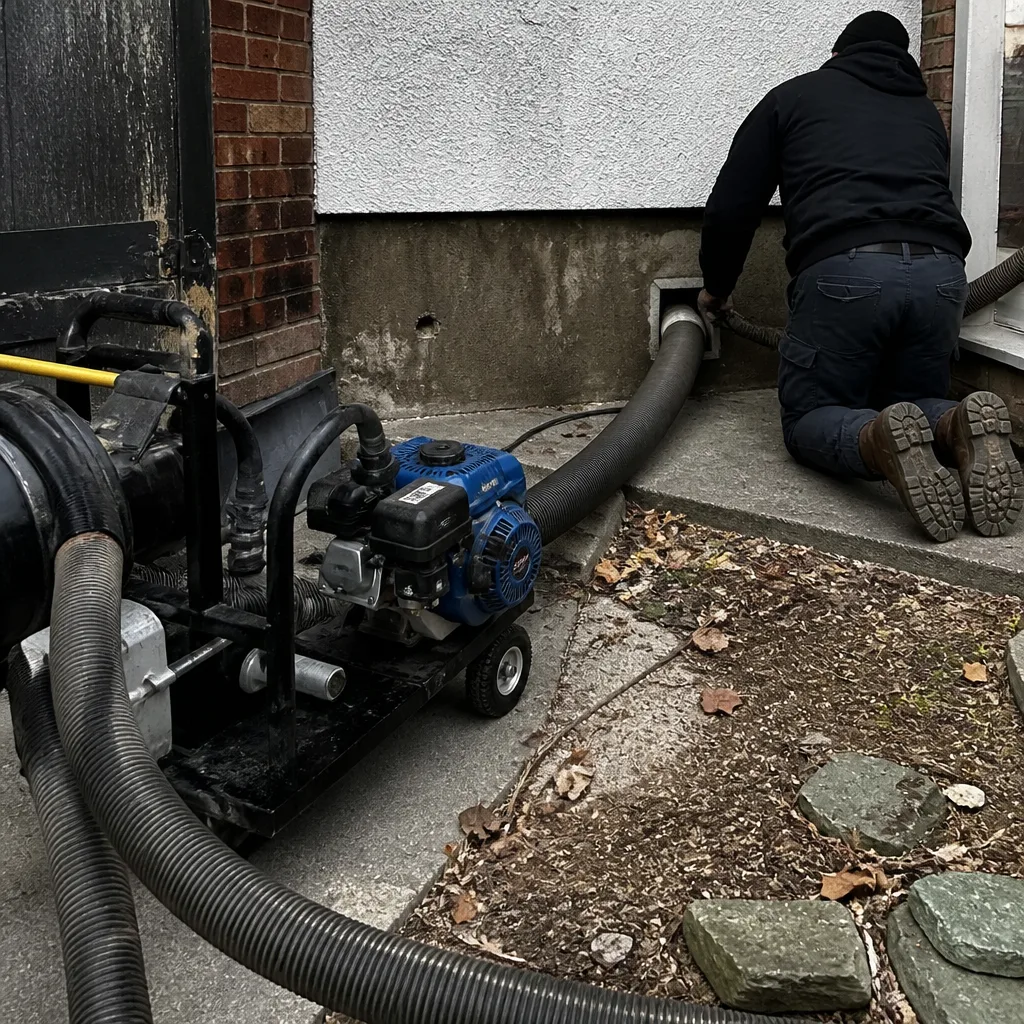
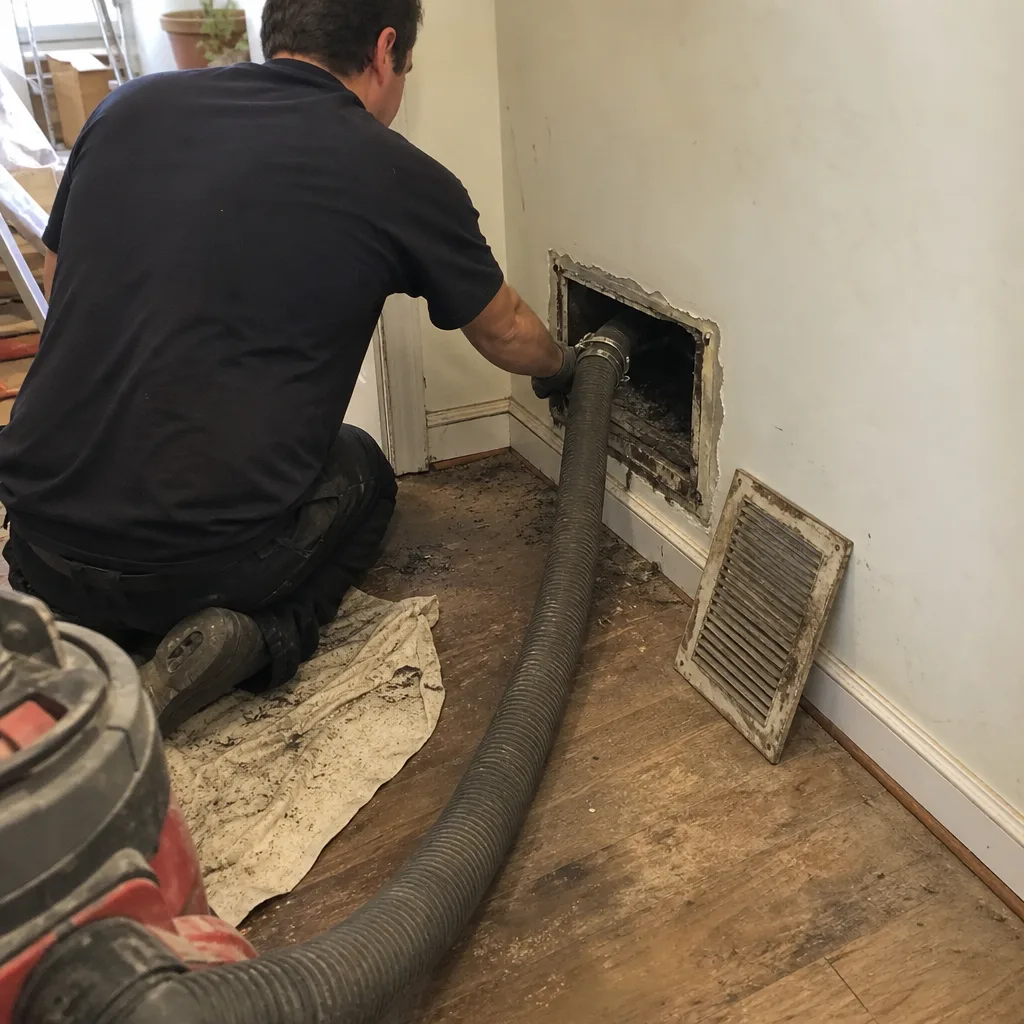
Before any of this happens, the honest starting point is knowing the condition of the system. A pre-work assessment with a camera through the ductwork tells you whether you’re looking at a cleaning job or a repair job, and that determines everything downstream. We use professional-grade equipment – Rotobrush and Nikro systems built for this work, not a shop vac with a long hose – because the difference shows up in what gets found and what gets documented. Before-and-after photos of your own ducts go on file either way, whether the job needed a permit or not.
Documentation to Keep After Any Duct Work
After the work is done, the paperwork matters more than most homeowners realize. Here’s a reasonable baseline to keep on file, in a folder or scanned to cloud storage:
- The written estimate and final invoice. Scope, what was done, what was not done. The flat price per system agreed before work started. Keep both.
- Before-and-after photos of the ductwork. These are the clearest record of condition and result. Ask for them if they aren’t offered.
- The permit, if one was pulled. Permit number, date, and the inspection result. If the work was permitted, the inspection record lives with the permit.
- Any material identification records. If asbestos or other hazardous material was tested, keep the report.
- Manufacturer documentation. If new equipment was installed – a filter cabinet, a humidifier, anything from Aprilaire or Honeywell – keep the model information and the install record. This becomes useful for warranty purposes and for the next contractor.
- A record of the scope change, if any. If the job grew, keep the written change and the reason for it.
This is also where our Air Duct Cleaning Fishtown approach differs from a lot of what’s out there. We photograph the inside of your ducts before and after because you deserve to see what you paid for, and because that record is worth having when the question of “has this been done?” comes up later.
Why This Matters at Resale and for Insurance
When you sell a Fishtown rowhouse, the buyer’s inspector is going to look at the HVAC system. If there’s evidence of recent duct repair and no permit record, the question becomes who did the work and whether it was done to code. That question is much easier to answer with a permit and an inspection record than with a story.
The same holds for insurance. If a claim involves damage connected to ductwork – a disconnected return, a failed liner, a fire that started in a dryer vent – the adjuster is going to want to see what work was performed and when. Documented work is straightforward. Undocumented work invites scrutiny.
There’s also a practical record-keeping benefit. A new owner inheriting a well-documented system has a starting point for future service. dryer vent cleaning records, duct cleaning records, and repair records together tell a coherent story about how the system has been maintained. That story has value.
One thing that shouldn’t be a factor: the date a company was founded or how long it’s been around. What matters is the scope of the work, the equipment used, whether the crew is set up to handle what they found, and whether the paperwork is in order. Those are checkable facts. Everything else is marketing.
Common Mistakes to Avoid
- Assuming a low quote means a simple job. A quote that doesn’t mention whether a permit is needed usually means the quote-writer didn’t look. In an older Fishtown rowhouse, that’s a coin flip on whether the job turns into a mechanical alteration.
- Letting a contractor handle duct repair without verifying the license. Cleaning and mechanical work sit under different credentials. If the scope expands past cleaning, ask for the license and check it.
- Closing up the wall before inspection. On a permitted job, the inspector needs access. If someone tells you not to worry about it, push back.
- Ignoring suspected asbestos or knob-and-tube in older runs. These aren’t hypothetical in Fishtown. Stop work, get the right trade involved, and document what was found.
- Treating duct tape as a permanent repair. It’s not approved as a permanent seal under the mechanical code, and it fails within a few seasons. A repair that isn’t to standard isn’t a repair.
- Skipping the photo record. Whether or not the job needed a permit, ask for before-and-after photos. It’s the difference between a documented job and a job you have to take someone’s word for.
- Paying per-vent pricing. Duct work isn’t priced by number of vents, and a per-vent pitch is usually a sign that the final invoice will look very different from the opening quote. One flat price for the system, agreed up front.
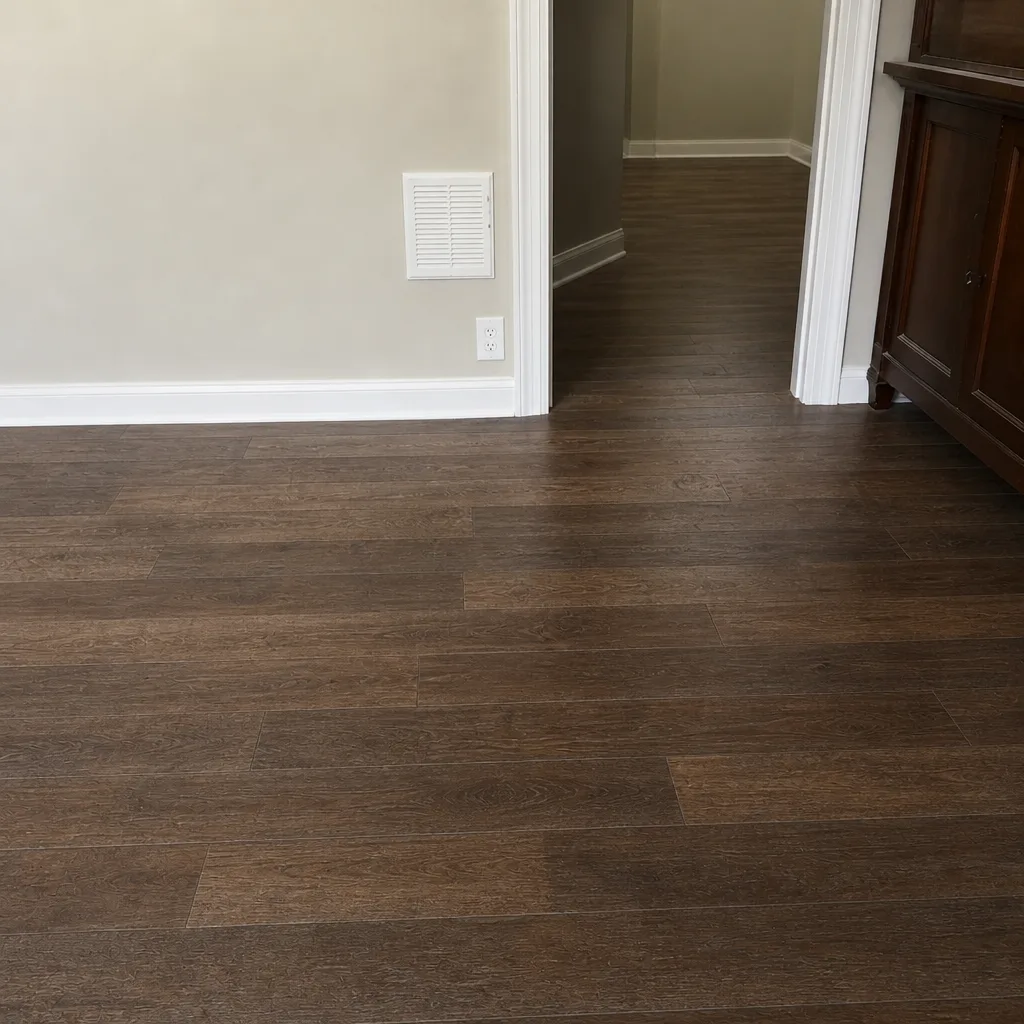
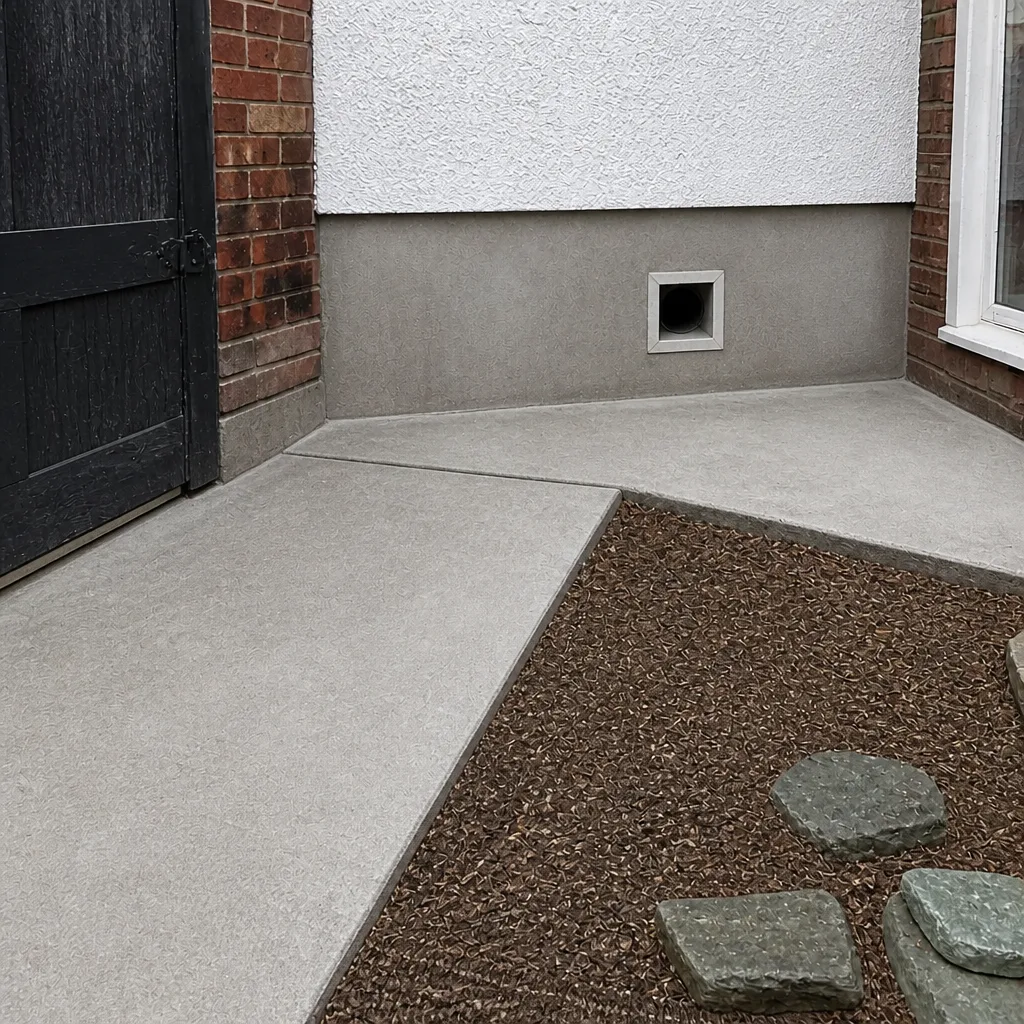
See the difference
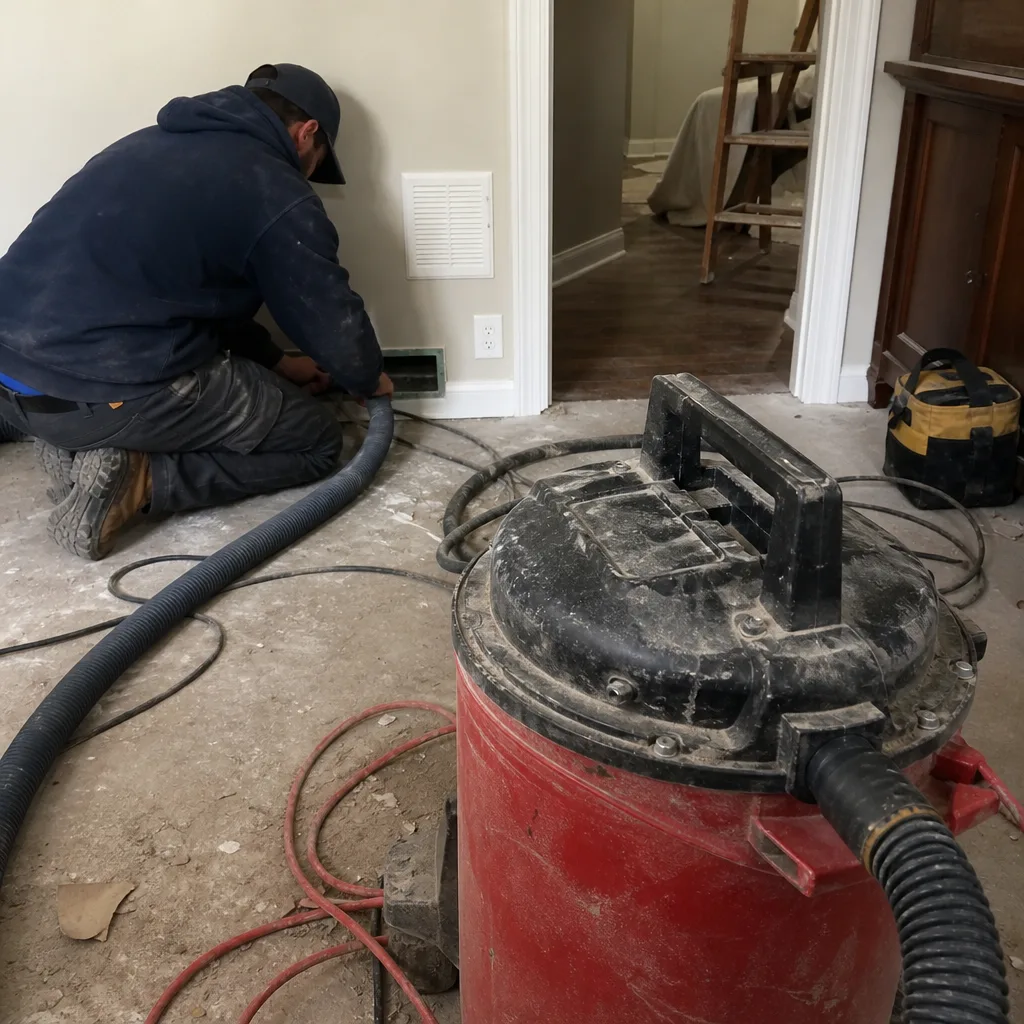 Before
 After
 Before
 After
 Before
 After
When to Call a Professional
Call a professional when the work involves cutting into the system rather than just cleaning it. That includes any scenario where you’re replacing a collapsed or disconnected run, rerouting ductwork, adding or moving registers, installing a liner, or tying in a whole-house air quality component that requires cutting into the plenum. It also includes situations where you’re unsure of what you’re looking at – a cold room that never warms, a dryer that takes two cycles to dry a load, a musty smell in the return, or visible damage to ductwork in the basement. These are all worth a look before the scope gets bigger. Air Duct Cleaning Fishtown offers free estimates in Fishtown – call (855) 337-1165.
Frequently Asked Questions
No. Routine air duct cleaning in Fishtown does not require a permit because it’s classified as maintenance – nothing in the mechanical system is altered, moved, or replaced. Permits apply to repair and modification work, not cleaning.
Usually yes, once the scope moves beyond a minor single-run repair. Replacing multiple runs, opening the trunk line, changing duct size, adding or relocating registers, or installing a liner generally requires a permit and inspection under Philadelphia’s mechanical code. The trigger is a change to the mechanical system, not just the presence of tools.
Ask for the specific mechanical license the company holds, not just whether it’s licensed in general. Verify the number independently through Philadelphia’s Department of Licenses and Inspections lookup, and ask for a current certificate of insurance. On a permitted job, the contractor typically pulls the permit, not the homeowner.
The contractor is responsible for correcting the failed items and scheduling a re-inspection. That’s part of why permits exist – they create accountability for the work. Make sure closure of the work area waits until the inspection has passed.
Work stops. Suspected asbestos gets identified by someone qualified to test it, and abatement is a separate licensed trade. Knob-and-tube wiring goes to a licensed electrician. Duct work resumes after the hazard is addressed, and the discovery plus the resolution is documented.
We quote one flat price per system, agreed in writing before work starts – not a per-vent price and not a teaser figure that changes once the crew is on site. The scope of the system, its condition, and whether repair is needed are what drive the number. Call (855) 337-1165 for an exact quote – estimates are free.
Usually because they’re priced per vent or priced to get in the door, and the scope is assumed to be a simple cleaning. When the job turns out to involve repair work, the invoice changes. A quote that’s honest about scope up front may look higher at the start and lower at the end.
Ask for before-and-after photos of your own ducts, not stock images. We photograph the interior before and after on every job so you can see the change. That record also stays useful at resale and for insurance purposes.
The Bottom Line
Routine duct cleaning in Fishtown doesn’t need a permit. Repair, replacement, or any change to the mechanical system typically does. The line between the two runs exactly where the scope grows from removing debris to altering ductwork – and that extends to layout changes, size changes, liner installs, and air quality equipment that requires cutting into the system. When the scope crosses that line, ask about licensing, confirm who pulls the permit, and keep a written record of everything: the estimate, the photos, the permit, and the inspection result. Older Fishtown homes occasionally turn up knob-and-tube wiring or suspected asbestos, and in those cases the right move is to stop and bring in the right trade. None of this is complicated once you know where the line is. It’s just worth knowing before the saw comes out.
Call (855) 337-1165 for a free estimate. We answer 24/7. Fast dispatch from 7am to 7pm, Sunday through Friday. If you’d like to start with a look at the full scope of what we handle, our Air Duct Cleaning Fishtown page covers the five services we offer – cleaning, dryer vent service, duct repair and sealing, HVAC cleaning, and air sanitizing – all under one provider with professional-grade equipment.
Written by the team at Air Duct Cleaning Fishtown.