
Last updated November 25, 2026
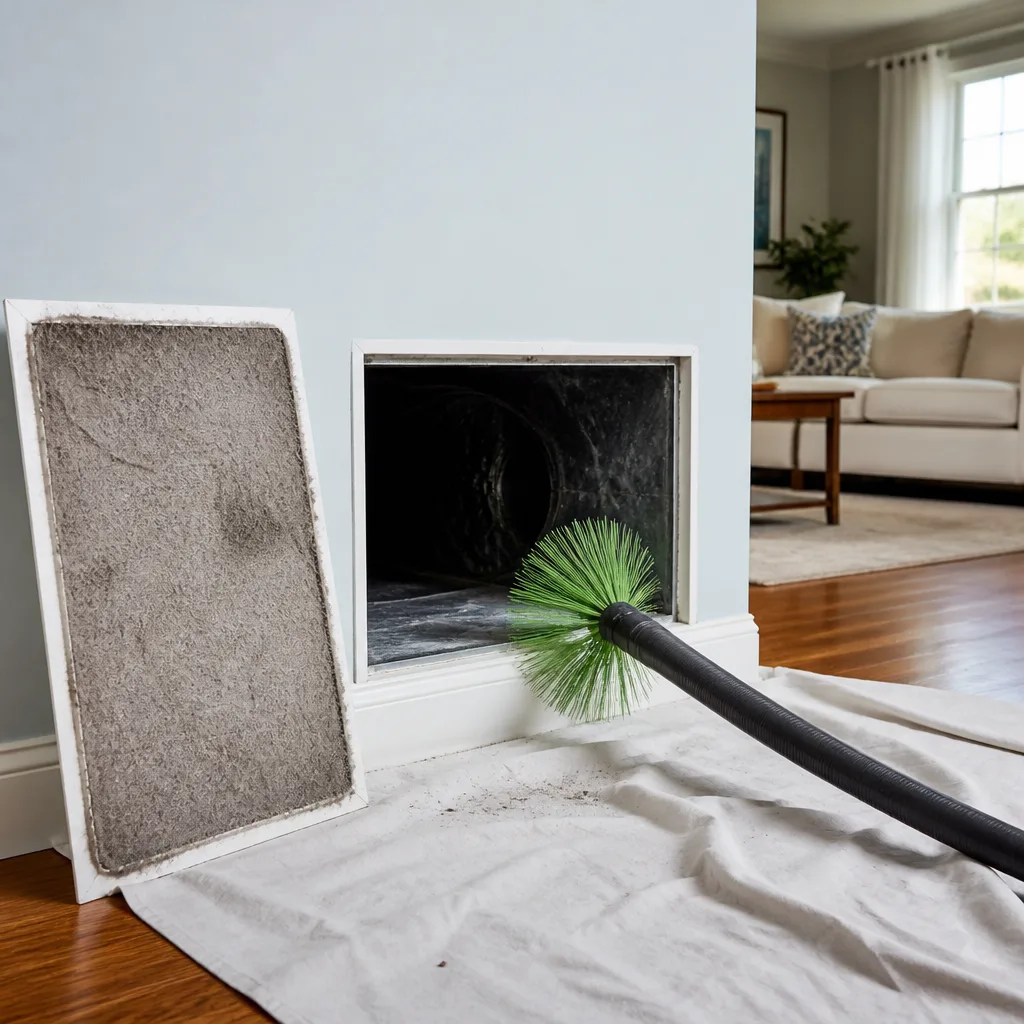 Whole-home duct cleaning
 Dryer vent cleaning
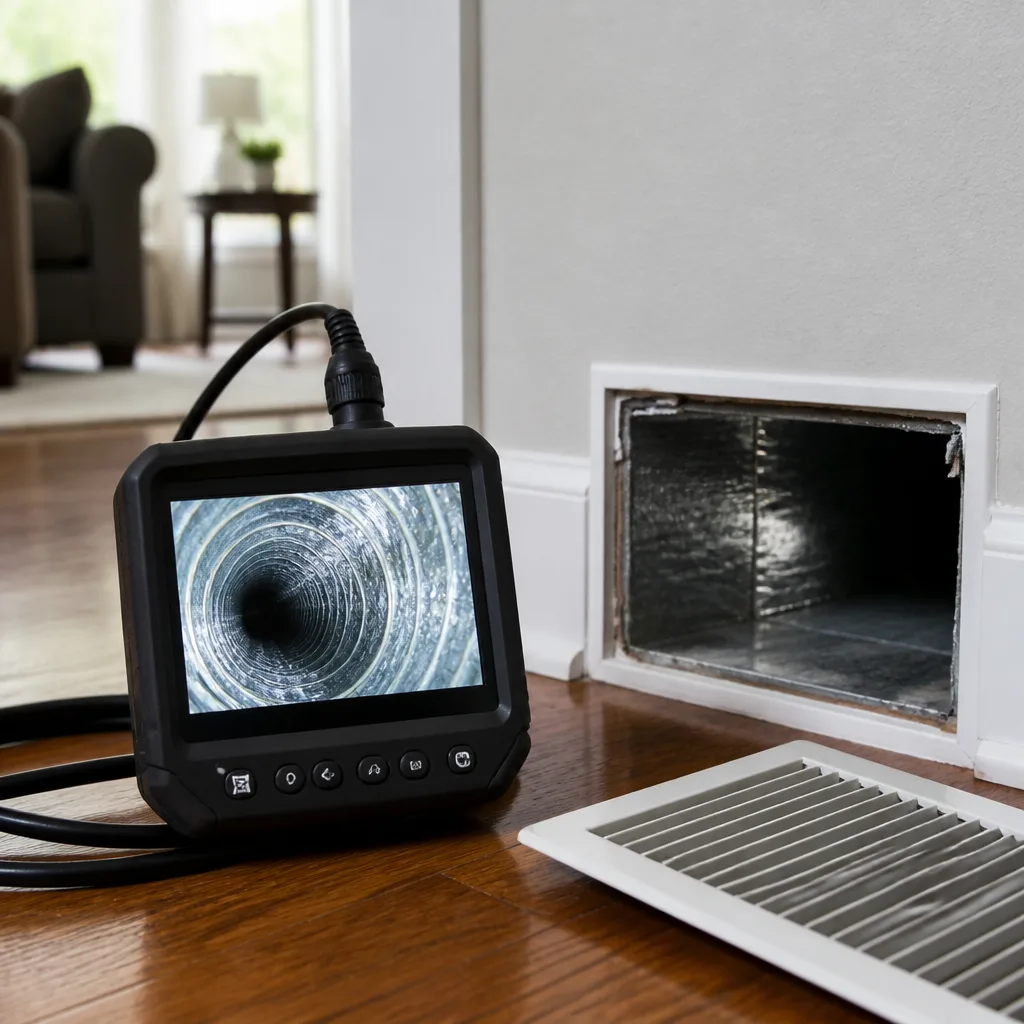 Camera inspection
 Sanitizing & deodorizing
Whole-system duct and dryer vent check with before-and-after photos - you see exactly what came out of your vents
That "$99 whole-house special" is a bait ad - the real number appears once they are in your hallway, or the "clean" is a shop-vac at the register. We photograph the inside of your ducts before and after instead.
Air Duct Cleaning Maintenance Checklist for Fishtown Homeowners
The filter you change on a schedule is more than a filter. It’s a diagnostic tool. Its color, the way debris loads across its face, and the type of material caught in the pleats tell you what’s moving through your ducts long before anything goes visibly wrong. Most homeowners treat duct maintenance as a single event: call someone, get the ducts cleaned, forget about it. In a working Fishtown rowhouse, that approach misses the months of small signals that predict when the next cleaning is actually due. This guide gives you a monitoring framework, built around checkpoints you can check yourself at monthly, seasonal, and annual intervals. Written from Fishtown, for the way homes here are actually built and used.
Quick Answer
A duct maintenance checklist is a tiered schedule: monthly filter and register checks you can do in minutes, seasonal inspections tied to heating and cooling changeover, and an annual full-system review that decides whether professional air duct cleaning is due. The framework works because it tracks conditions between visits instead of waiting for a symptom to appear. If the checkpoints below show accelerating debris or recurring register dust, shorten the interval rather than pushing through to the annual date.
Styles & brands we work with
- Whole-home duct cleaning
- Dryer vent cleaning
- Camera inspection
- Sanitizing & deodorizing
Table of Contents
- Why a Monitoring Framework Beats a Reminder
- Monthly Checkpoints: Filters and Registers
- How to Read a Dirty Filter
- Seasonal Checkpoints: Heating and Cooling Changeover
- When to Shorten the Cleaning Interval
- Register and Grille Inspection Without Tools
- Documenting a Baseline for the Next Service Call
- The Annual Full-System Review
Why a Monitoring Framework Beats a Reminder
Duct contamination doesn’t arrive all at once. It accumulates in layers, tied to the conditions inside and around your house. A renovation two doors down, a new pet, a seasonal change in how often the system runs – each one alters the rate at which debris moves through the ductwork. A reminder on your phone to “clean ducts” can’t respond to any of that. A checkpoint schedule can, because it forces you to look at the same indicators on a regular cadence and compare them.
Fishtown adds its own variables. The housing stock runs heavily toward older rowhouses, many with ductwork that has been retrofitted or modified over the years as heating and cooling systems were replaced. That ductwork often has more joints, more transitions, and more opportunities for a small leak to become a dust distribution point. Homes on busier corridors also pull in more ambient particulate from the street, which shows up in the filter load rather than in any visible interior dust.
The framework has three tiers, each answering a different question:
- Monthly: Is anything changing faster than usual right now?
- Seasonal: Is the system handling the transition between heating and cooling without new symptoms?
- Annual: Does the evidence across the year add up to a cleaning, a repair, or neither?
Each tier takes a few minutes. The value is in the pattern, not any single observation. A gray filter in October means little on its own. A filter that turns gray twice as fast as it did last year means something.
Monthly Checkpoints: Filters and Registers
The monthly checklist is short and tool-free. Set aside ten minutes on the same day each month so comparisons stay valid.
- Pull the filter and hold it up to a light. Look at the distribution of debris, not just the total. Even distribution across the whole face suggests the contamination is coming from the air in the rooms. Heavy loading in one zone suggests something entering the airstream on that side of the system.
- Note the color and texture. Gray, uniform lint reads differently from dark, greasy film or gritty grit. Gritty load hints at debris carrying through the ducts from a source upstream. See the next section for the full breakdown.
- Wipe one register face with a white cloth. Use the same register every month. What comes off the cloth is your baseline comparison.
- Shine a light into two supply registers. One closest to the system, one farthest away. Look for dust shadows, loose debris, or anything visibly flaking.
- Listen at a return grille while the system runs. Whistling or a rattle that wasn’t there last month is worth tracking.
- Log the date, filter condition, and anything unusual. A phone note or a paper log works. The record is what turns observations into a pattern.
Homes with pets, allergy-sensitive occupants, or ongoing renovation work nearby should run this check every four weeks rather than every eight. The same ten minutes applies; the frequency carries the added load.
How to Read a Dirty Filter
Filter appearance is the closest thing a homeowner has to an early warning system. The question is which source the debris points to. Internal sources sit inside your ductwork: accumulated debris on duct walls, a failing joint, a disconnected run dumping air into a wall cavity. External sources are ambient: the air in your rooms, drawn in through returns.
This breakdown is a starting point, not a diagnosis:
- Uniform gray lint across the whole face: typical ambient household load. No action beyond the normal schedule.
- Gritty, sandy debris: often points to debris travelling through the ducts. Worth a look inside the registers closest to the system.
- Dark patches in one corner or edge: suggests uneven airflow past the filter, which usually means an undersized return or a partially blocked duct.
- Sticky or greasy film: common where the return sits near a kitchen or a workshop area rather than in the ductwork itself.
- Loading that doubles in speed: the strongest single indicator that something has changed. Renovation dust, a new source of particulate, or a duct leak pulling from an unconditioned space.
When the pattern points inward, it’s time to stop monitoring and start investigating. Professional inspection with equipment built for the job – our technicians work with Nikro and Rotobrush systems rated for interior duct examination – can confirm whether the load is coming from inside the ductwork or drawn in from the rooms. Filters themselves are a diagnostic aid here, not a cleaning signal, so don’t replace a filter and assume the question is answered.
Seasonal Checkpoints: Heating and Cooling Changeover
Twice a year, when the system switches between heating and cooling, run a longer inspection. Changeover is when the system’s whole operating profile shifts, and when problems that sat quiet all season become noticeable.
At the spring changeover, before cooling season:
- Pull and check the filter slot for debris that has collected on the upstream side.
- Wipe every supply and return register face; note any that are dirtier than the rest.
- Look at the return air path for the central system, if accessible without tools.
- Confirm the blower sounds steady through a full cycle of running.
At the fall changeover, before heating season, repeat the same steps and add:
- A check of the condensate path and any humidity controls if you have Aprilaire or Honeywell equipment installed. Changeover is when these controls get their most use.
- A visual comparison of the duct surfaces you can see through registers against your notes from spring.
- A look at the exhaust path from the dryer vent cleaning side of the house, since lint buildup in a vent is a fire concern separate from the ducts.
Fishtown’s climate gives both seasons real weight. The furnace runs hard in winter, drawing air through the whole system continuously. Summer air conditioning adds moisture management to the mix. A duct system that’s degrading will show the change in how the system performs across that transition, not just in how it looks.
When to Shorten the Cleaning Interval
Not every home runs on the same cadence. The checkpoints exist precisely to catch the conditions that justify moving the next professional cleaning earlier.
Shorten the interval when any of the following applies:
- Renovation activity: drywall, sanding, flooring work, or any project that generates fine dust inside the footprint of the home. Even a project two doors down can add ambient load if the house is drawing outdoor air.
- New pet in the household: pet dander loads filters and duct surfaces differently than human dust, and one more animal in a rowhouse is enough to change the rate.
- Change in occupant allergy sensitivity: if someone in the home has developed new respiratory sensitivity, the tolerance for residual debris drops even if the visual evidence hasn’t changed.
- Visible register dust returning faster: a register that collects a visible film within weeks of being wiped is telling you the source is still active.
- Larger load on the filter: the monthly log catches this earlier than any other signal.
When more than one of these applies at once, book the cleaning or an inspection rather than waiting. A full-system approach treats the whole air pathway, and it’s cheaper to address a developing condition than to repair ductwork that’s been running loaded for an extra year.
Register and Grille Inspection Without Tools
Registers are the visible face of the duct system, and you can learn a lot from them without removing anything.
- Wipe test. Use a white cloth or paper towel, wipe the full face, and keep the cloth. Date it and set it aside. Next month’s cloth becomes the comparison.
- Flashlight check inside. With the system off, shine a light through the louvers. Look at the first foot of visible duct wall. Dust shadow or uniform color is normal; flaking or clinging debris is a sign of internal accumulation.
- Coverage check. Confirm every room has supply and return coverage appropriate for the room’s size and use. A room with insufficient return will be dustier and harder to keep clean, and no amount of duct cleaning will fix it.
- Fastener check by eye. Look at the register frame where it meets the wall or ceiling. Gaps, loose screws, or paint cracks around the frame suggest a joint that’s moved – and a gap is an air leak.
- Flow check by feel. Hold a hand or a tissue at each register while the system runs. A register with noticeably weaker flow than others is worth flagging for professional inspection.
If two or more registers show the same pattern, the source is likely upstream in the shared ductwork rather than at each register. That’s a question for an inspection.
Documenting a Baseline for the Next Service Call
The most useful thing you can do for the next professional visit is hand the technician a record of what your system looked like before it arrived. That record does three things: it lets the technician compare pre- and post-cleaning states with something more concrete than memory, it shortens the inspection, and it makes it easy to spot whether a future cleaning interval needs adjusting.
Build the baseline in a single session:
- Photograph every register and grille from the same angle, with the same lighting. Date each photo.
- Photograph two or three filter changes across the year, laid flat next to a ruler or a coin for scale.
- Note the current filter size and type written on the filter frame itself.
- Keep the monthly log with dates and the observations from each register check.
- Write a short paragraph about any changes to the home in the past year: renovation, a new pet, a change in occupancy, an update to the thermostat schedule.
When a contractor arrives, that record lets them see what you saw. If the before-and-after photos are taken during the visit, you’ll have a matched pair. Our technicians take before-and-after photos of the customer’s own ducts as standard practice, and the homeowner’s own baseline makes that comparison stronger.
The Annual Full-System Review
Once a year, the framework asks a bigger question than the monthly and seasonal checks: does the evidence across all recorded checkpoints point to scheduling professional work?
The annual review should cover the parts of the system you can’t reach. That means confirming the condition of duct surfaces beyond the first visible foot of each register, checking duct joints and connections for leakage (a common issue in older rowhouse ductwork), and evaluating whether the HVAC system itself is drawing air efficiently. A full HVAC cleaning often makes sense alongside duct cleaning when the coil and blower show the same contamination pattern.
This is the point in the cycle where we see value from equipment that’s built for the job. Rotobrush and Nikro systems are the same type of equipment used by commercial HVAC contractors – not consumer vacuums with a long hose. Abatement Technologies equipment lets a technician handle contamination and air quality concerns that a routine cleaning call wouldn’t cover. And when ductwork has developed a structural issue – a seam that’s opened, a run that’s separated from a joint – Duct Repair & Sealing addresses the source. Cleaning without repair leaves the problem in place.
For a full review of the whole system, including ducts, coils, and the register network, the place to start is the one that covers the full scope: Air Duct Cleaning Fishtown. Our technicians have up to 11 years of experience, and they work with Honeywell and Aprilaire air quality systems as part of a full-system evaluation.
Common Mistakes to Avoid
- Assuming a filter change resets the clock. A new filter changes what’s captured going forward; it doesn’t tell you what’s already accumulated in the ducts. The filter is a diagnostic signal, not a cleaning trigger on its own.
- Skipping the seasonal check because nothing seems wrong. Changeover is when problems first show as system behavior rather than as dust, and missing it delays the observation by half a year.
- Cleaning ducts after a renovation without addressing the dust source first. If the project is ongoing, the ducts will load again within weeks. Sequence the cleaning at the end, not in the middle.
- Ignoring register gaps and leaks. A loose register frame or a duct joint that has opened lets air bypass the intended path – and in a Fishtown rowhouse, that often means pulling air from a space the system wasn’t designed to draw from.
- Comparing notes on paper that gets lost. The framework only works if the log survives. Keep it in one place – a phone note, a folder, or a dated set of photos on a single device.
- Treating a cleaning quote as interchangeable with a repair quote. A cleaning that doesn’t include sealing what’s leaking will look effective for a few months, then load up again. Make sure the scope matches your evidence.
- Waiting for a visible symptom like dark streaks at registers before acting. By the time that appears, the debris load is usually well established. The whole point of a checkpoint framework is action before the symptom.
See the difference
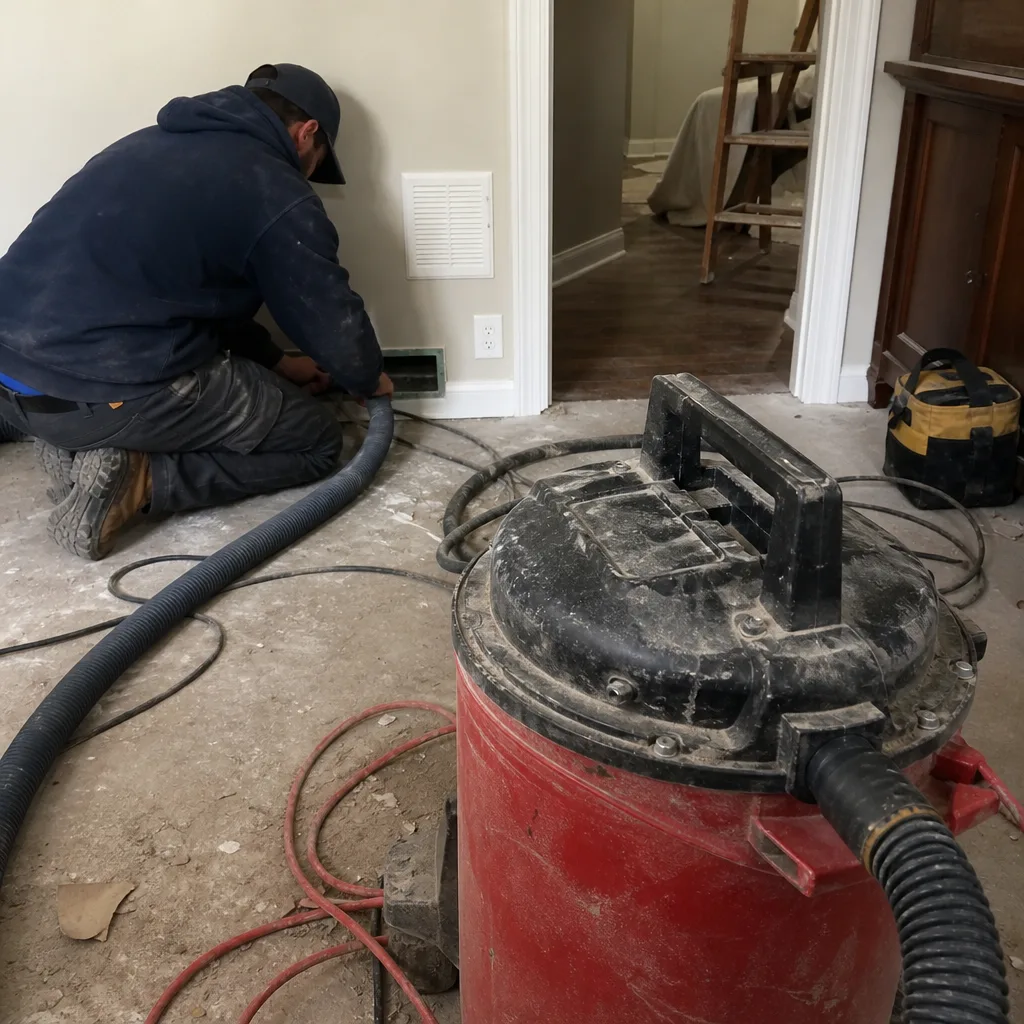 Before
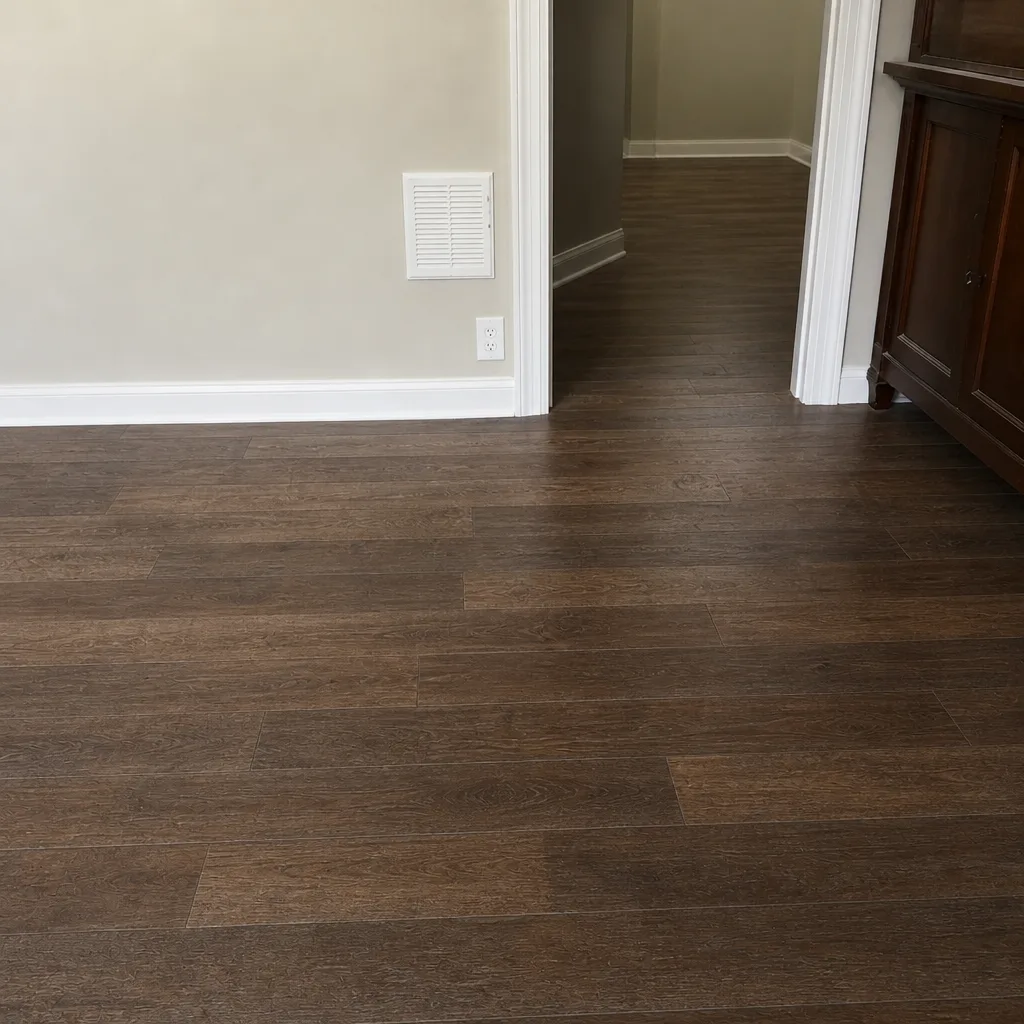 After
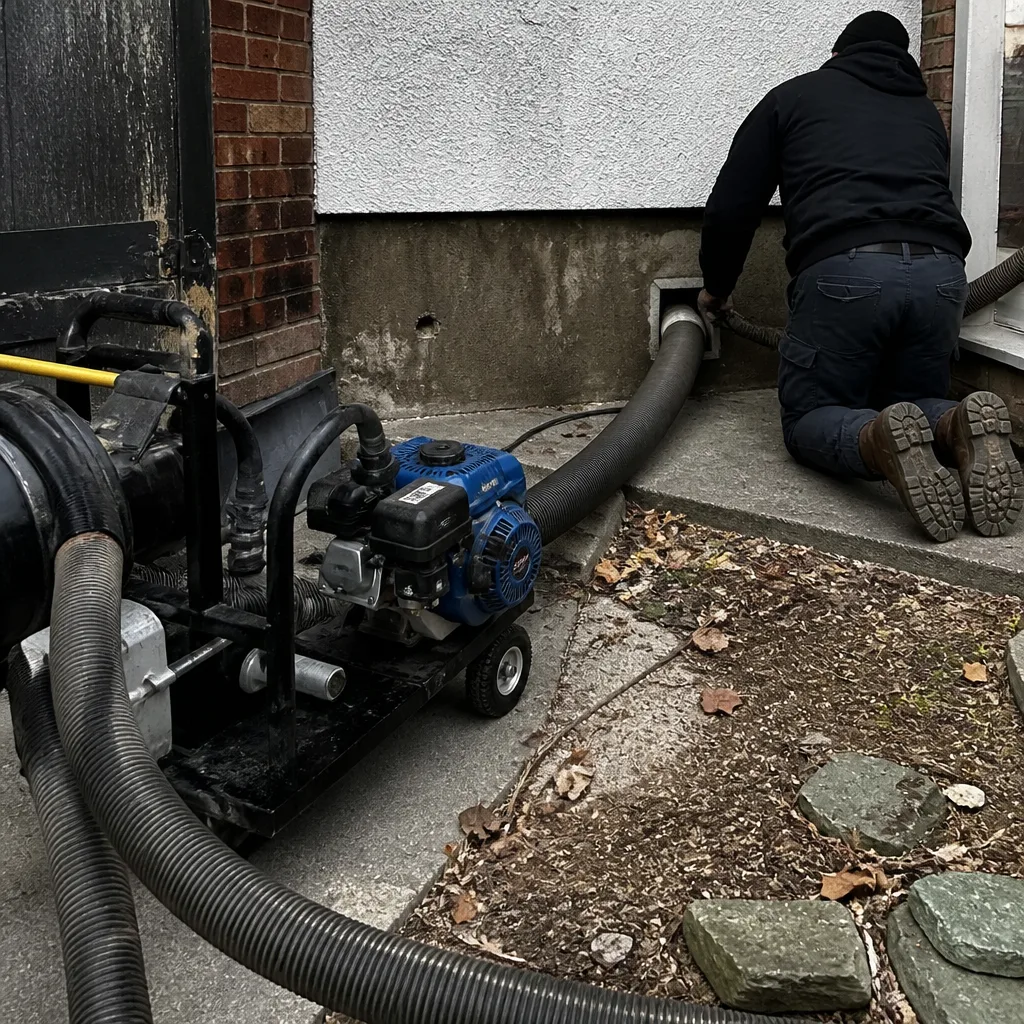 Before
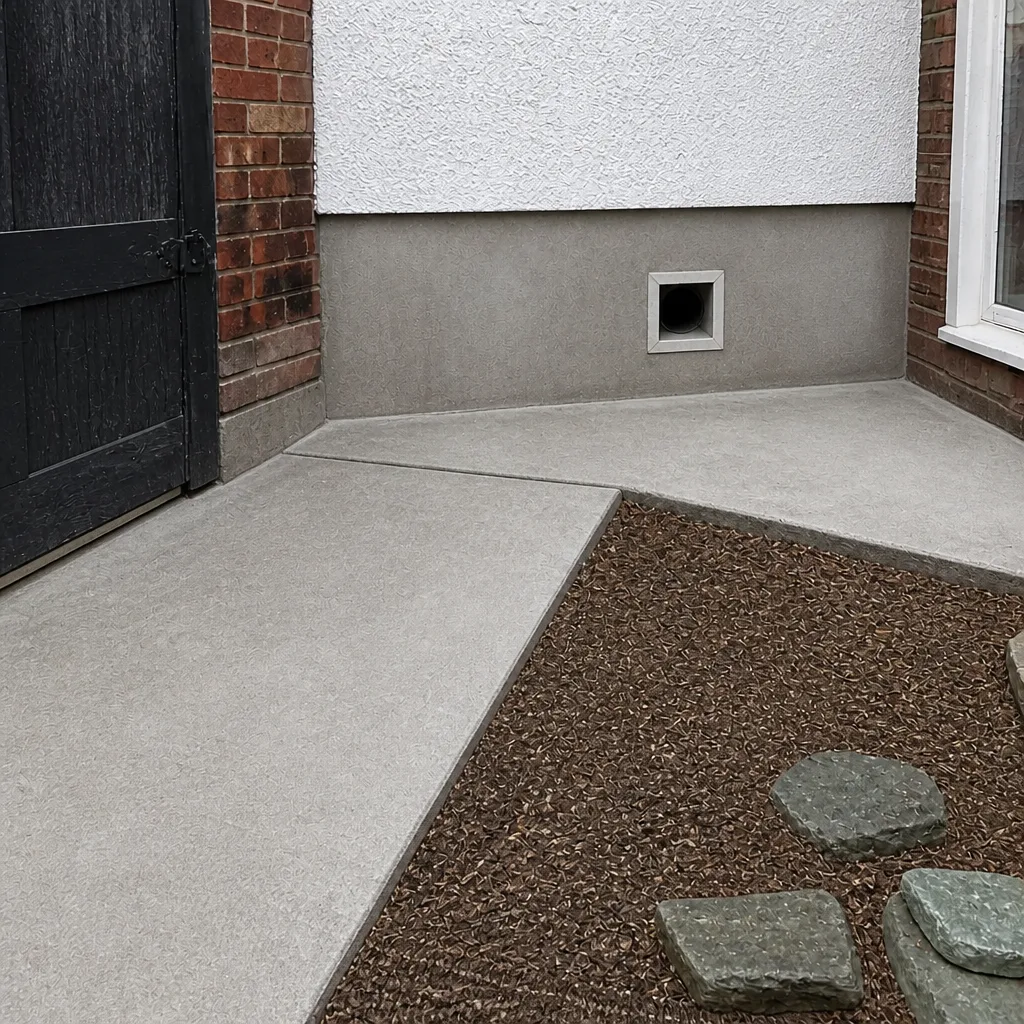 After
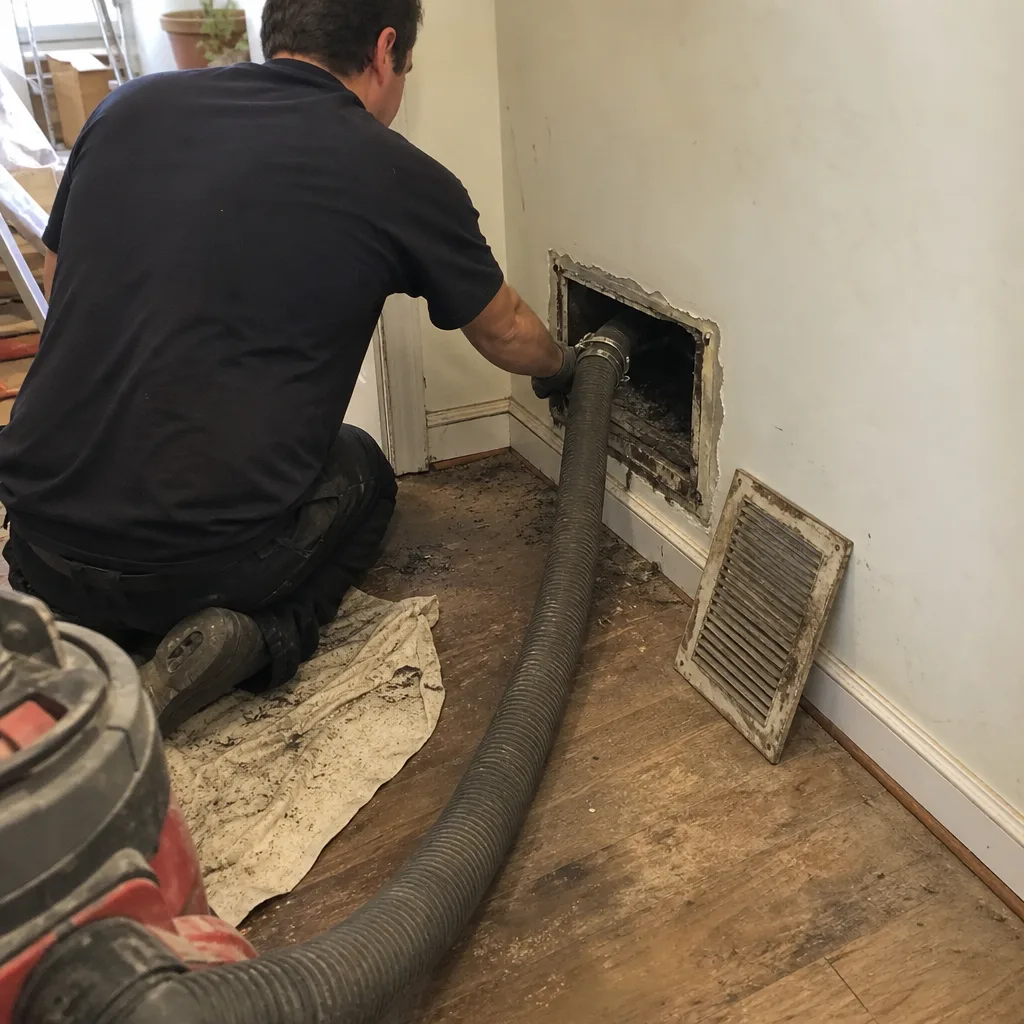 Before
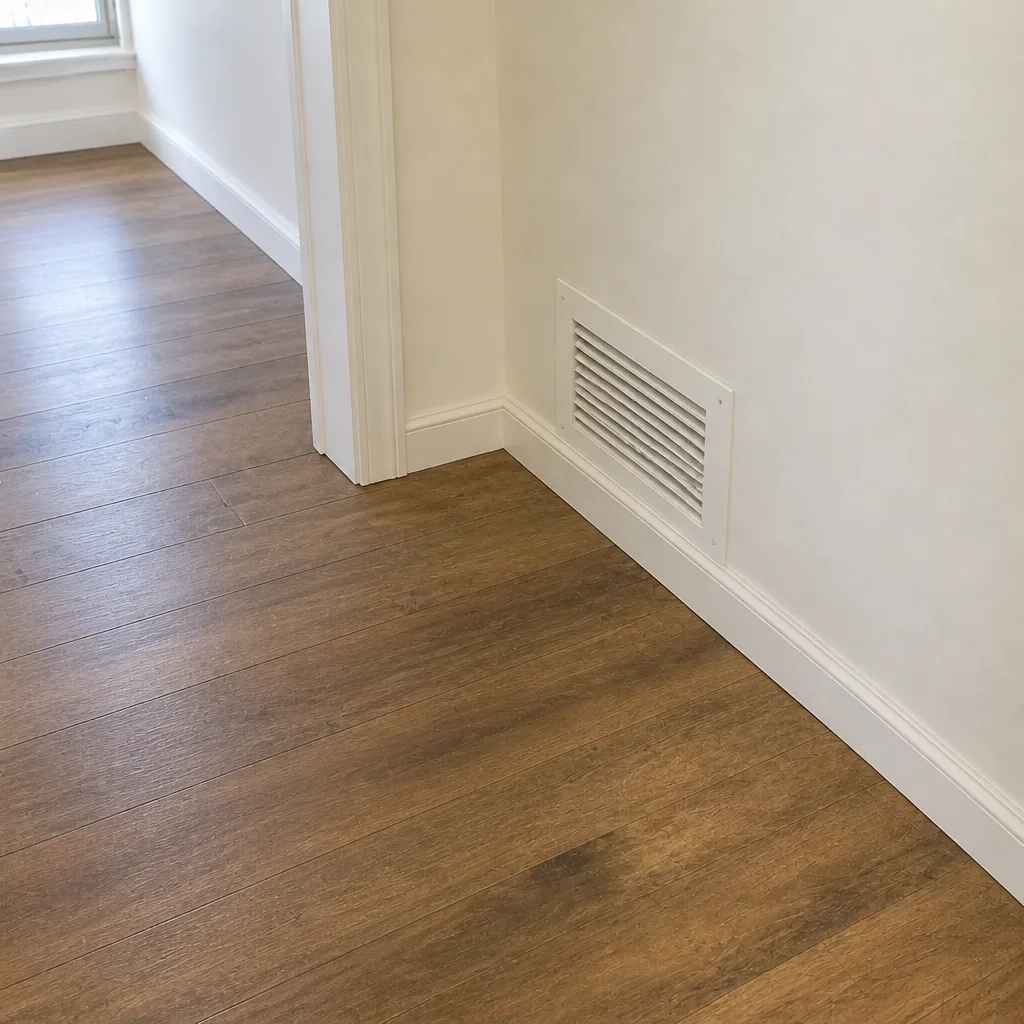 After
When to Call a Professional
Call when the framework itself says it’s time: the monthly log shows accelerating load, the register checks are coming up dirty faster than before, the seasonal check turns up a new symptom, or the annual review points toward cleaning or repair. Call sooner if you see flaking debris inside a register, hear uneven airflow, or notice a register gap that wasn’t there before. These are the moments when a professional inspection with the right equipment answers the question your checkpoints raised. Air Duct Cleaning Fishtown offers free estimates in Fishtown – call (855) 337-1165. We answer 24/7. Fast dispatch from 7am to 7pm, Sunday through Friday.
Frequently Asked Questions
For a typical Fishtown home without unusual conditions, professional cleaning every few years, with a full inspection at the annual checkpoint, is a reasonable baseline. Homes with pets, allergy-sensitive occupants, or recent renovation activity shorten that interval. The real answer comes from your monthly log: if the filter load is accelerating or register dust is returning faster, shorten the schedule.
You can get a good read on it with the register flashlight check, the wipe test, and the filter loading pattern described in this guide. None of those require tools. They tell you whether to book an inspection; they don’t replace one, since the debris load deeper in the system is only visible with professional equipment.
Fast filter loading usually means a higher volume of particulate is moving through the system, drawn in from the rooms, from a renovation, from a new pet, or from a duct leak pulling in outdoor or unconditioned air. If the loading has doubled in pace compared to a year ago, have the system inspected to find the source before changing another filter.
Duct cleaning removes accumulated debris from the interior surfaces. Duct repair and sealing addresses the joints and seams that let air escape or draw in dust, and it’s the step that prevents the debris from returning at the same rate. Cleaning without sealing will look effective for a few months and then load up again, which is why our full-system approach includes repair.
After. Cleaning during an active project means the ducts will load again within weeks. Sequence the cleaning at the end, once the drywall dust has settled, and run the register checks more frequently during the project so the log captures the change in ambient load.
Duct cleaning removes debris, but humidity control depends on the controls themselves. If you have Aprilaire or Honeywell equipment installed, a full-system evaluation should include those controls, since a clogged or misconfigured humidifier or dehumidifier path will undermine the ducts’ performance. Call (855) 337-1165 for an exact quote – estimates are free.
The Bottom Line
Air duct maintenance is less about a single scheduled cleaning and more about a habit of looking. The filter is your best diagnostic, the registers are your visible indicators, and the seasonal changeovers are when the system’s behavior shifts enough to notice a change. Run the checkpoints, keep the log, build the baseline, and the question of when to call a professional stops being a guess. When the record points toward work, the right scope includes duct cleaning, sealing, and a look at the whole air pathway. Call (855) 337-1165 for a free estimate from Air Duct Cleaning Fishtown. We answer 24/7. Fast dispatch from 7am to 7pm, Sunday through Friday.
Written by the team at Air Duct Cleaning Fishtown.