
Last updated November 25, 2026
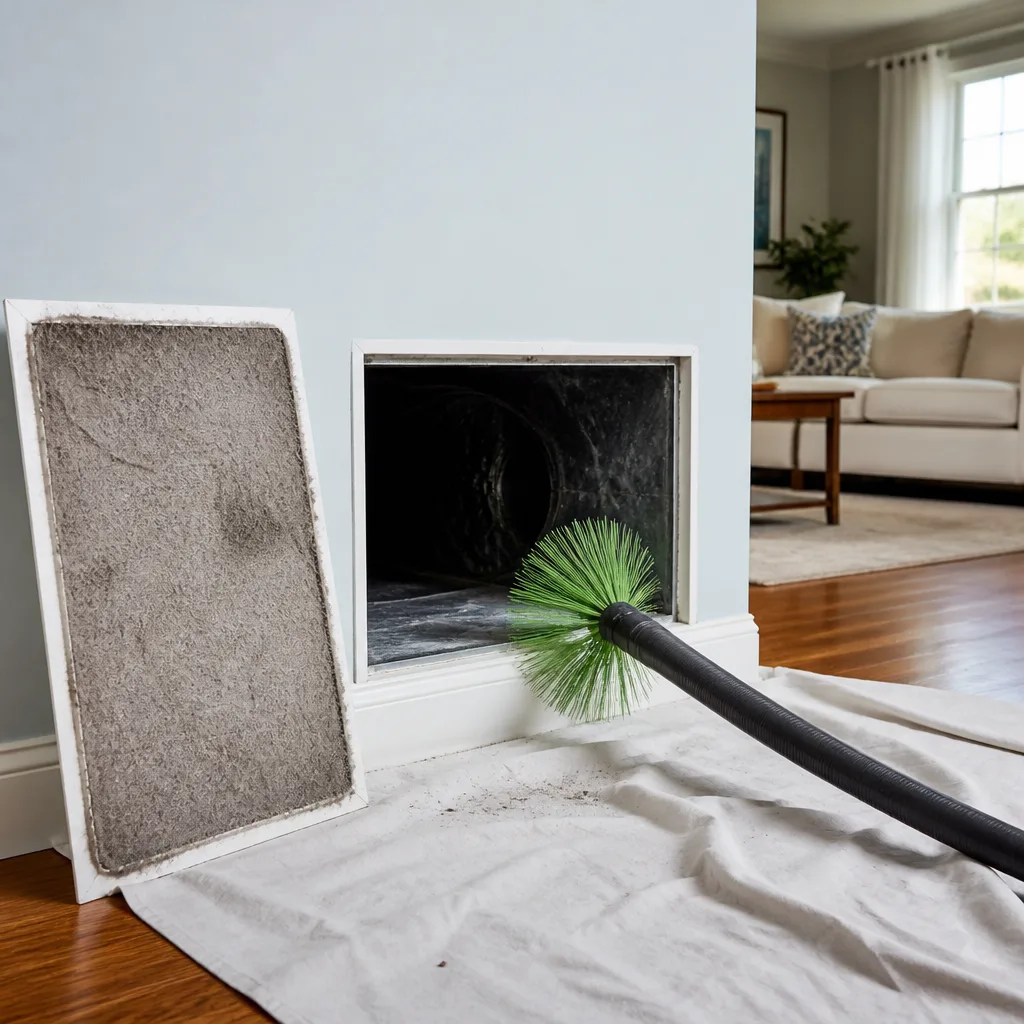 Whole-home duct cleaning
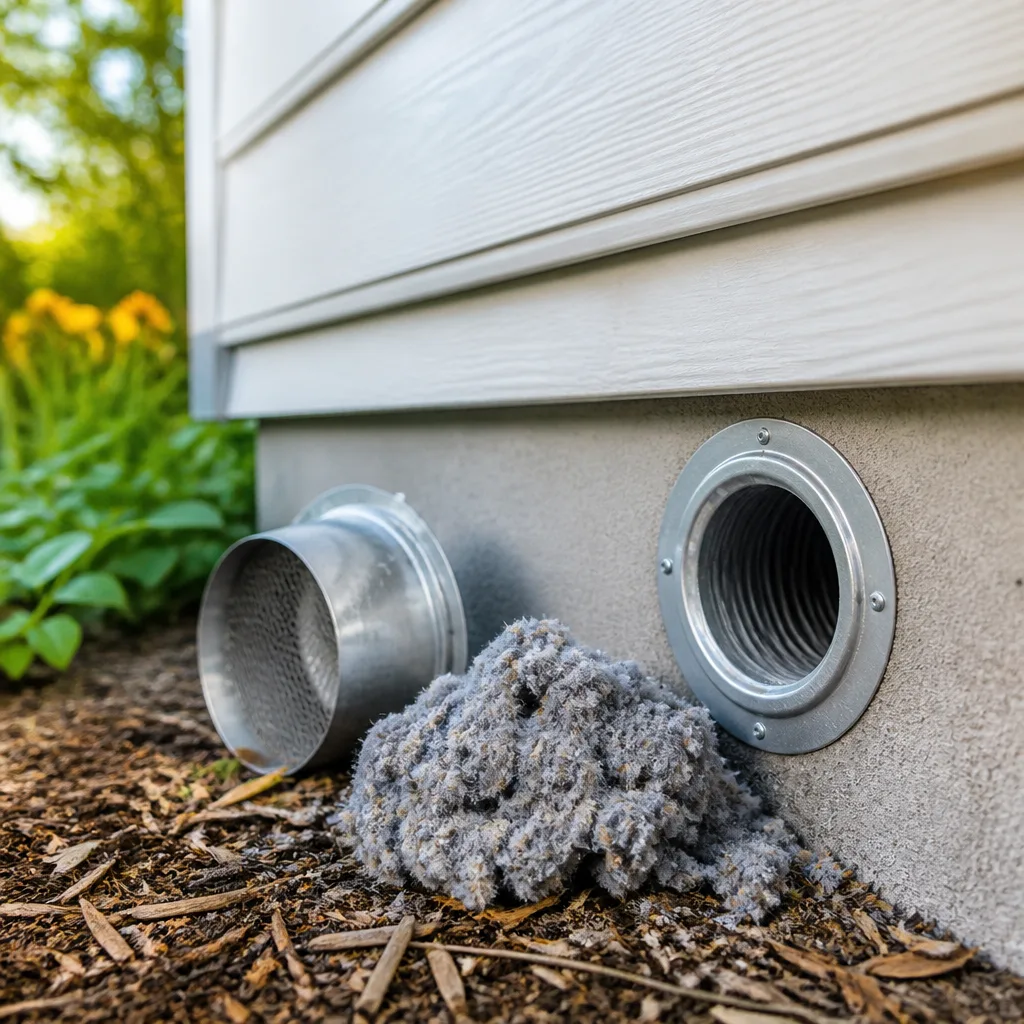 Dryer vent cleaning
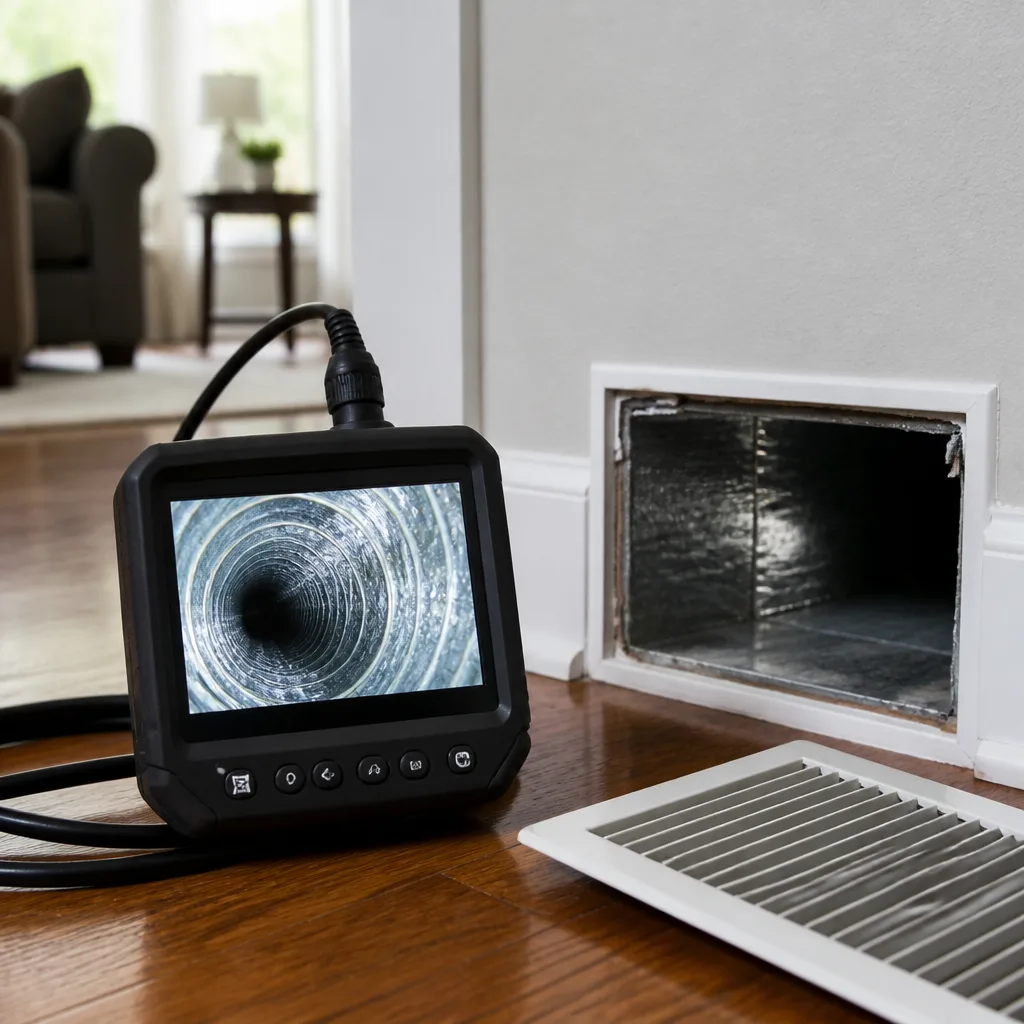 Camera inspection
 Sanitizing & deodorizing
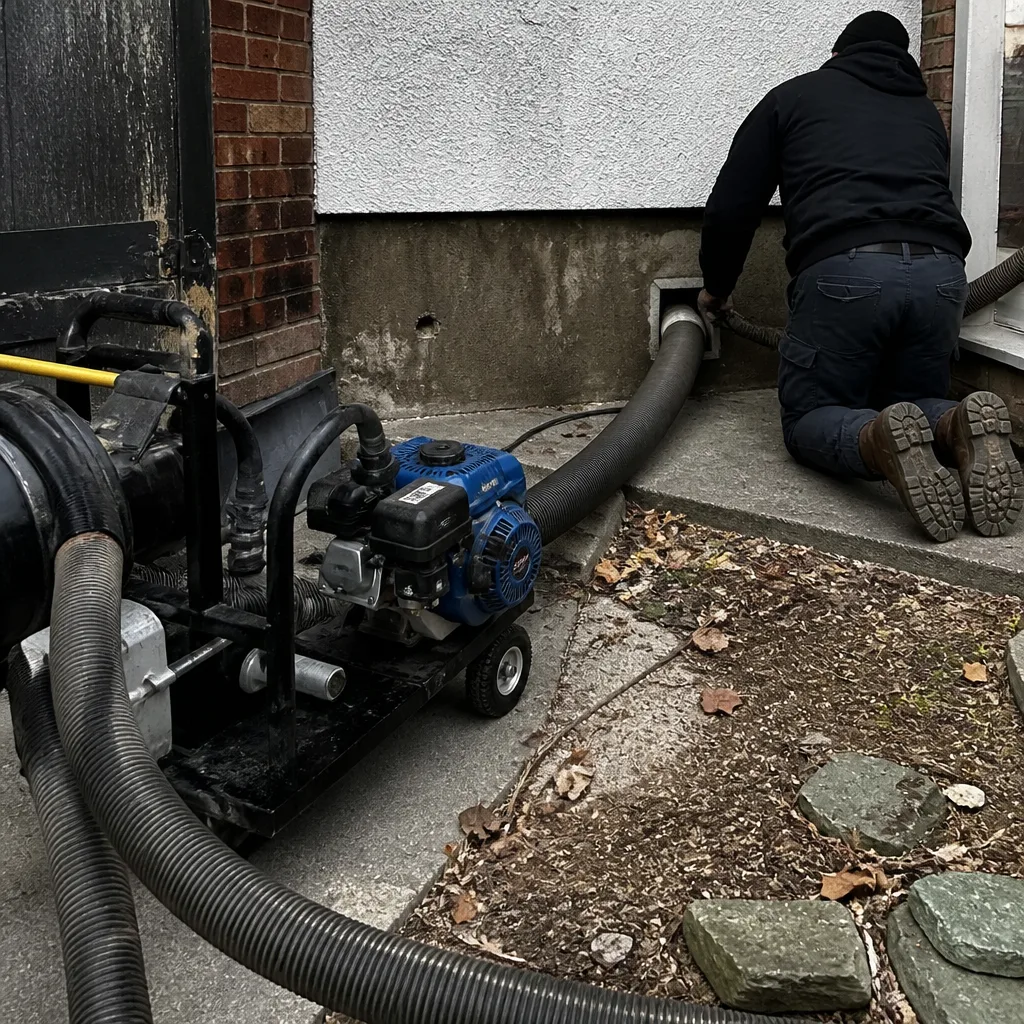
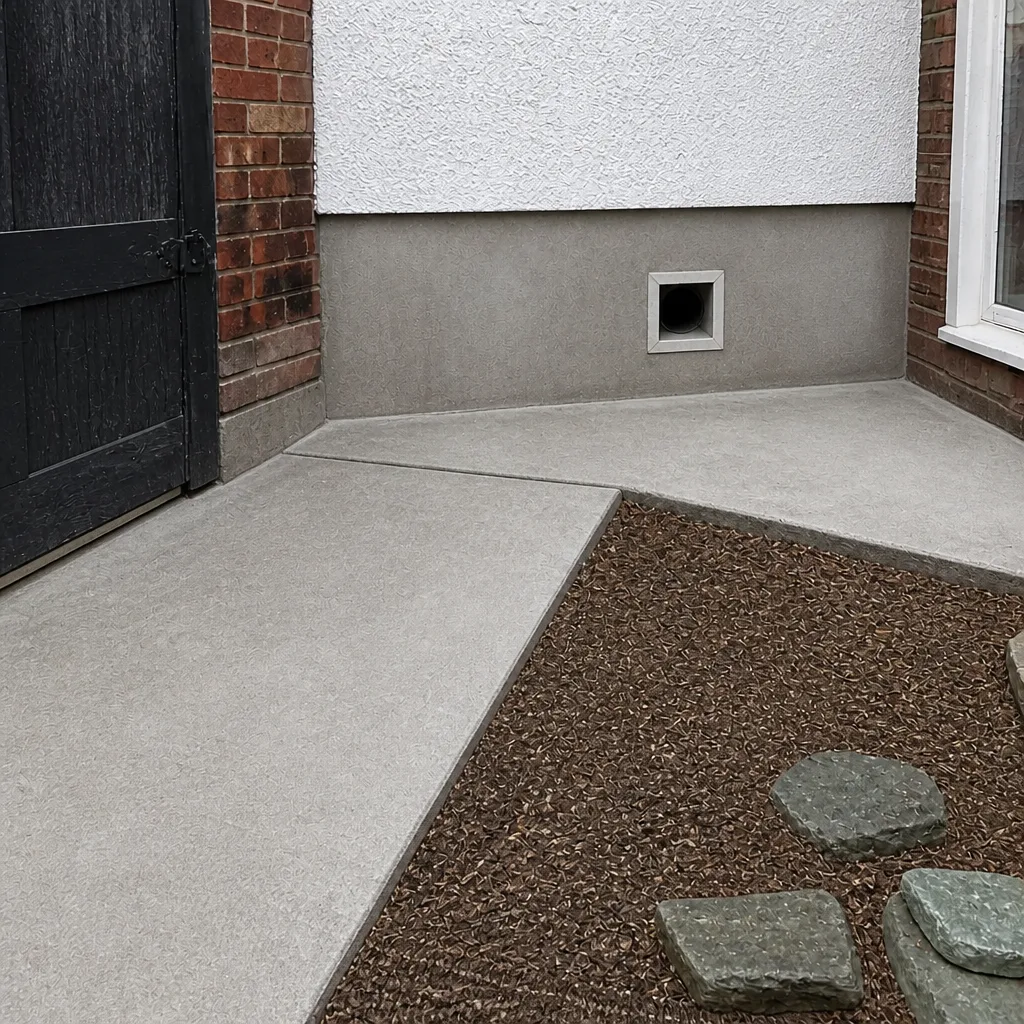
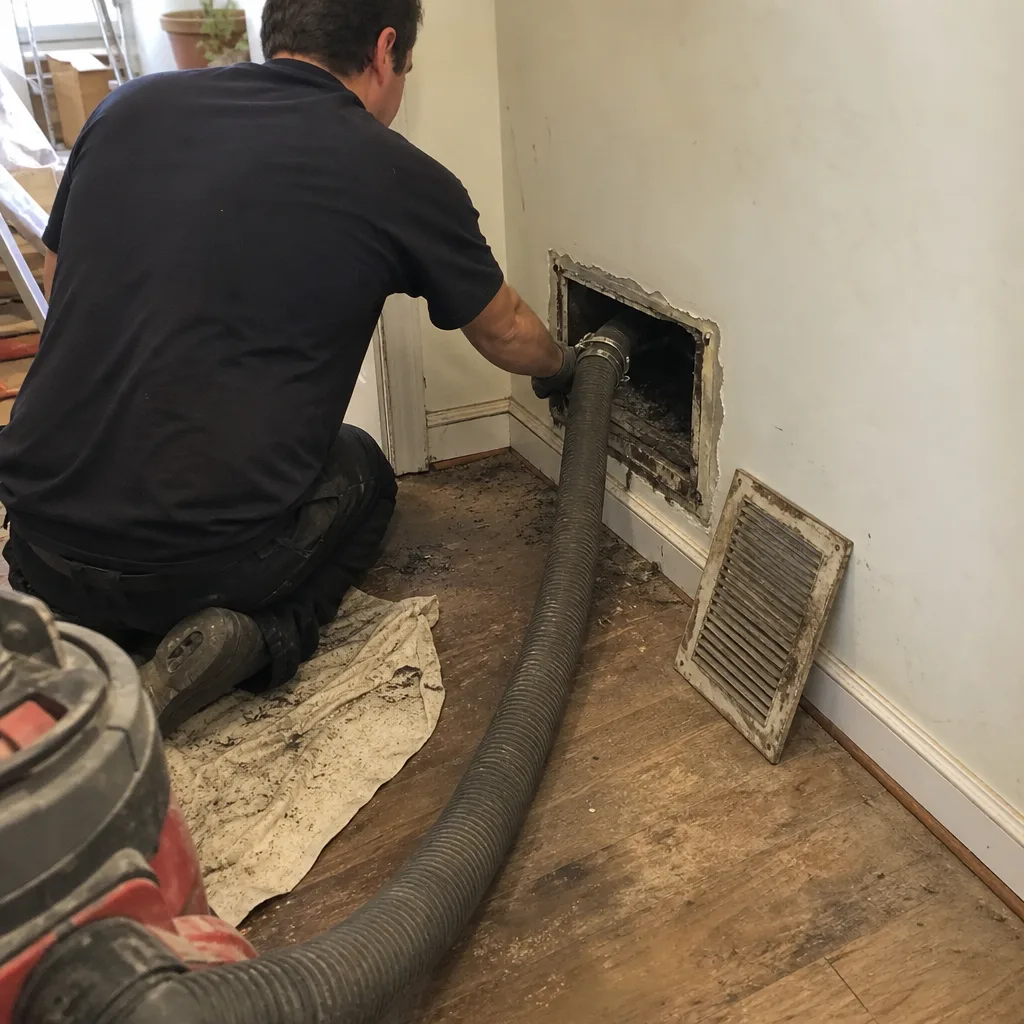
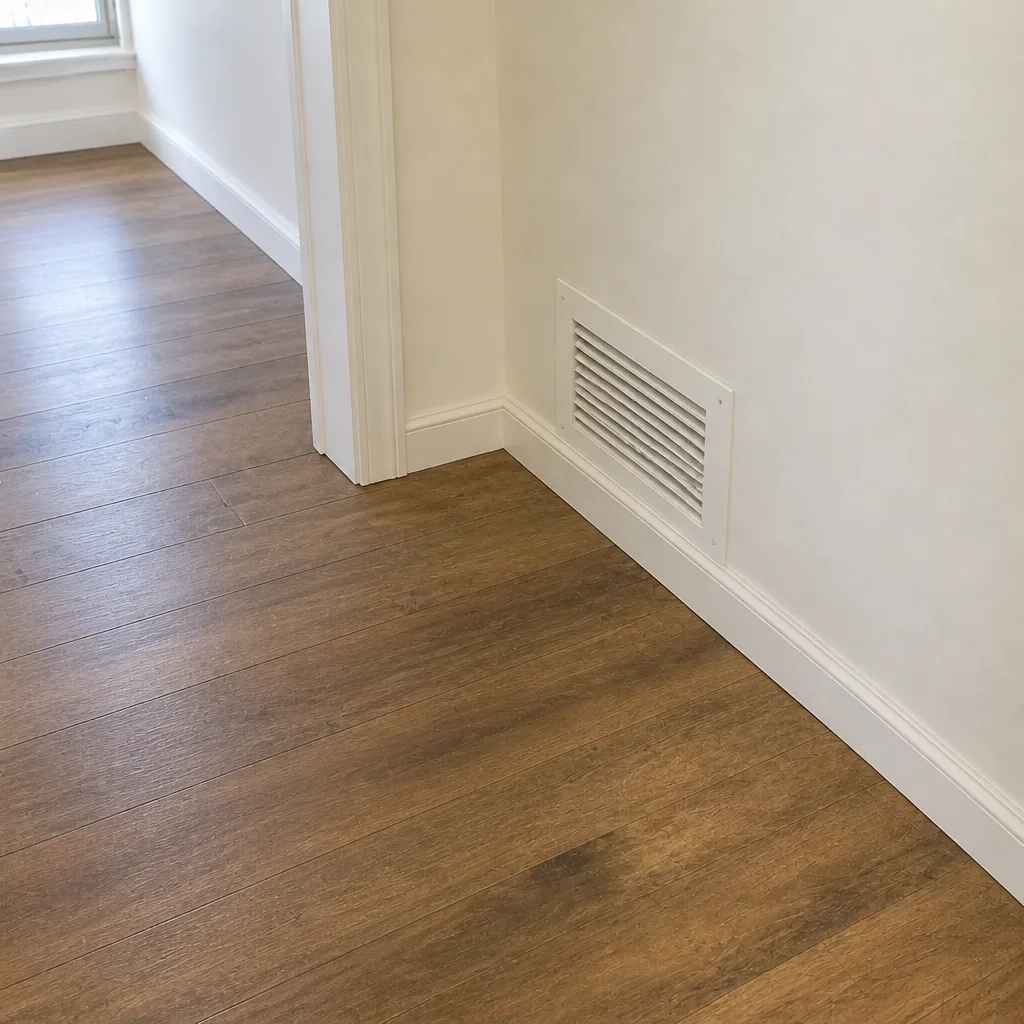
Whole-system duct and dryer vent check with before-and-after photos - you see exactly what came out of your vents
That "$99 whole-house special" is a bait ad - the real number appears once they are in your hallway, or the "clean" is a shop-vac at the register. We photograph the inside of your ducts before and after instead.
Seasonal Air Duct Cleaning Care for Fishtown: Year-Round Homeowner’s Guide
Most Fishtown homeowners call for duct cleaning in January, right when the stale winter air becomes impossible to ignore. That’s the wrong month. By January, your system has already pushed months of peak heating-season debris through every branch line, and the dust you’re noticing is the tail end of a cycle you missed the chance to interrupt. The better move happens months earlier, before the system starts running continuously. This guide maps Fishtown’s four distinct seasonal cycles to the duct maintenance that matches each one, so you can time the work to the conditions instead of reacting to them. You’ll learn what to check each season, when a full cleaning pays off, and which warning signs mean you shouldn’t wait for the calendar at all.
Styles & brands we work with
- Whole-home duct cleaning
- Dryer vent cleaning
- Camera inspection
- Sanitizing & deodorizing
Quick Answer
The best time to clean air ducts in Fishtown is early spring, right after the heating season ends and before cooling begins. That window catches the year’s heaviest debris load before it recirculates through summer, and it lets you inspect the return plenums for humidity problems before the AC runs hard. Fall is the second-best window, ideal for pre-heating prep and filter upgrades. Winter is for monitoring, not major cleaning, unless warning signs force the issue.
Table of Contents
- Why Seasonal Timing Matters More Than an Annual Reminder
- Spring: The Post-Heating Assessment Window
- Summer: Cooling Strain and Humidity in the Return Plenums
- Fall: Pre-Heating Prep Before the System Runs Nonstop
- Winter: Mid-Season Monitoring and When to Break the Schedule
- How Fishtown’s Density and Urban Heat Island Shape Your Duct Load
- The Four-Season Duct Checklist
- Common Mistakes to Avoid
- When to Call a Professional
- Frequently Asked Questions
Why Seasonal Timing Matters More Than an Annual Reminder
An annual reminder treats every month the same. Your HVAC system doesn’t. In Fishtown, a rowhouse duct system sees two hard transitions a year, one from heating to cooling and one from cooling back to heating. Each transition is when the debris that accumulated during the previous season is most concentrated, most accessible, and least likely to have already been pushed into living spaces. Clean at the right side of that transition and you remove more material with less disturbance. Clean at the wrong side and you’re clearing a system that’s about to reload.
There’s a second reason timing beats frequency. Duct cleaning isn’t a maintenance ritual you perform to satisfy a schedule. It’s source removal: pulling accumulated particulate out of the supply and return network so the blower stops recirculating it. The value of that removal depends on how much has built up and what’s about to happen next. A cleaning in March, before cooling season, keeps a summer’s worth of air cleaner. A cleaning in January, three months into heating season, means the heaviest part of the load already passed through the living space.
We approach the full air pathway, not just the visible runs. That means supply trunks, branch lines, return plenums, the air handler, and the registers, which is why we use professional-grade equipment like Rotobrush and Abatement Technologies systems rather than a shop vacuum. A full-system approach to air duct cleaning is what makes the seasonal timing worth planning. Half a cleaning on the right month still leaves the source in place.
Here’s the short version of the seasonal logic for Fishtown:
- Spring: highest debris concentration, best full-cleaning window.
- Summer: cooling strain and humidity, inspection-heavy.
- Fall: prep work, filter upgrades, second-best cleaning window.
- Winter: monitoring. Cleaning only when signs demand it.
Spring: The Post-Heating Assessment Window
Spring is the single best time to schedule a full duct cleaning in Fishtown. Heating season pushes the most particulate through a duct system of any season, because the furnace runs continuously for months and every cycle moves air through the same network. By the time the heat shuts off in spring, the supply and return lines hold the year’s peak accumulation. That concentration is exactly what you want to remove: it’s still sitting in the ducts, not yet dispersed through summer cooling cycles.
Spring also gives you a chance to assess before the cooling system takes over. A proper spring visit isn’t just vacuuming. It’s an inspection of the whole air path while the system is at a natural pause. In our experience, spring is when we find the most problems that haven’t yet caused a complaint, because the system has just finished its hardest workout and the evidence is fresh.
What a spring assessment should cover:
- Inspect the return plenum and air handler for debris loading and moisture.
- Check supply and return registers for dust patterns that point to specific problem runs.
- Perform source removal on the supply trunks, branch lines, and returns.
- Clean the blower and air handler surfaces so the next season starts clean.
- Review the filter setup and confirm the current filter is right for the system.
- Note any duct seams, joints, or connections that show gaps or separation.
That last point matters more than people expect. Cleaning removes debris, but it doesn’t close a leak. If the inspection turns up disconnected joints or gaps at the plenum, the fix is duct repair and sealing, not another cleaning. We repair what we find, which is a step most duct cleaners skip because they don’t do structural work. A leaky return near a Fishtown basement or a gap behind a kitchen soffit pulls in unconditioned air every time the blower runs, and that air carries its own dust.
Book the spring visit before the first sustained warm stretch. Once air conditioning starts cycling daily, the window narrows and the system is back in continuous use. Early spring is the calm before that.
Summer: Cooling Strain and Humidity in the Return Plenums
Summer changes the job from cleaning to inspection and protection. In Fishtown, cooling season means the AC runs long cycles, and long cycles push cooled, sometimes humid air through return plenums that may sit in warm, unconditioned spaces like basements or crawl areas. That temperature difference is where moisture problems start. A return plenum with condensation on its interior surfaces is a place where dust and organic material can support mold growth, and once that begins, routine cleaning won’t solve it. You need to find the moisture source and address it.
Humidity-driven risk in returns is the seasonal issue competitors miss. Most duct cleaning advice treats summer as “air conditioning season, so clean your ducts.” The real work is checking whether the cooling system is creating conditions that make the ducts a problem in the first place.
What to check before AC season peaks:
- Look for condensation, damp insulation, or water staining around the air handler and return plenum.
- Smell the return air at a central return register; a musty odor points to moisture, not just dust.
- Confirm the filter is seated and the right size so unfiltered air isn’t bypassing it into the coil and ducts.
- Check that supply registers in basement or first-floor rooms aren’t blowing into humid, unconditioned air.
When a return shows signs of contamination, the response isn’t a bigger vacuum. It’s sanitizing the affected surfaces with the right equipment and then finding the moisture path. We keep Abatement Technologies equipment on hand for exactly these air quality and contamination scenarios, which is a different tool class than routine cleaning gear. If you run a Honeywell or Aprilaire filtration or humidity system, summer is also the time to confirm it’s calibrated and doing its job, since those systems only help if they’re maintained.
For property managers in Fishtown’s rental stock, summer is when tenant complaints about musty air surface. Addressing the return plenum and humidity source early in the season prevents a mid-July scramble. For a deeper look at the full-system work, see our guide to HVAC cleaning, which covers the coil and air handler side of summer preparation.
Fall: Pre-Heating Prep Before the System Runs Nonstop
Fall is the second-best cleaning window and the most important prep window. The cooling season is winding down, the heating season hasn’t started, and the system is at another natural pause. This is when you want to do the prep work that keeps the heating season from reloading your ducts with the debris summer left behind. If you cleaned in spring, fall is lighter work. If you skipped spring, fall is the last good chance before the furnace runs continuously for months.
Pre-heating prep follows a sequence. Do it in order and the heating season starts clean:
- Upgrade the filter. Match the filter to what your system can handle; a filter that’s too restrictive strains the blower. If you have an Aprilaire or Honeywell filtration setup, confirm the media is the correct replacement and seated properly.
- Inspect every register. Pull the covers and look at the boots and the first few inches of duct. Dust plumes or dark streaks at specific registers point to a leak or a disconnected run nearby.
- Check the return path. Make sure returns aren’t blocked by furniture or rugs, and that the return plenum isn’t pulling from a damp basement.
- Schedule cleaning if it’s due. If the spring cleaning is behind you, a fall cleaning makes sense when you see visible dust at the registers or the system has cycled heavily.
- Close the loop on repairs. Any gaps, disconnected joints, or leaky seams found in inspection should be sealed before heating season, not after.
The register inspection step is where fall prep earns its keep. In Fishtown’s older housing, register boots and duct connections sometimes predate modern sealing practices, and a small gap behind a kitchen soffit or under a floor can pull attic or wall-cavity air into the supply every cycle. Duct repair and sealing closes that gap and addresses the source of energy loss rather than just the surface debris. Cleaner air starts at the source, and the source is often a joint that’s been open for a long time.
If fall cleaning is due and you also want your dryer vent seen to, that’s the season to pair it. A dryer that’s taking longer to dry clothes is a sign the vent line is loading up, and cooler months are a natural time to address it. Our dryer vent cleaning service handles that line as a standalone safety service.
Winter: Mid-Season Monitoring and When to Break the Schedule
Winter is for monitoring, not major cleaning, unless the signs force your hand. The furnace runs continuously, the windows stay closed, and the system recirculates the same air for months. That’s not a reason to clean mid-season in a house that was prepared in fall. It’s a reason to watch for indicators that the fall prep wasn’t enough, or that something changed.
Mid-season warning signs that justify an unscheduled cleaning:
- Visible dust settling on surfaces faster than usual, especially near supply registers.
- A musty or stale smell that appears when the heat runs and fades when it stops.
- Increased allergy or respiratory irritation among household members after the heat comes on.
- Registers that show dark streaks or dust plumes that weren’t there in the fall.
- A furnace that seems to cycle harder than it should, which can point to restricted airflow.
There’s a caution that matters in winter: don’t open up the furnace or air handler to investigate yourself. Gas-fired heating equipment and electrical connections in the air handler are not a do-it-yourself zone. A trained technician should handle anything beyond the filter and the visible registers. If you smell gas, leave and call your gas utility first. We answer 24/7. A call outside dispatch hours is booked into the next opening, Sunday through Friday, 7am to 7pm.
Winter is also when the urban heat island effect is most pronounced. A dense rowhouse block holds heat, which means the system runs differently than in a detached suburban house, and the dust load spreads across shared walls and adjacent units. More on that next.
How Fishtown’s Density and Urban Heat Island Shape Your Duct Load
Fishtown’s housing stock changes how seasonal duct maintenance works. Rowhouses share walls, sit close to the street, and often have HVAC systems sized and routed for narrow footprints. That density has practical consequences for what your ducts collect and when.
The urban heat island extends the cooling season. Dense blocks of brick and pavement hold heat and release it slowly, so cooling systems in Fishtown often run harder and later into the year than systems in a leafy suburb with more open ground. That means the summer recirculation load lasts longer, and the return plenums face humidity stress for more of the season. Spring cleaning timing should account for the region’s extended warm stretch, not a generic national calendar.
Shared walls and close spacing concentrate particulate. Street dust, construction dust from nearby renovations, and everyday household debris don’t disperse as freely in a dense block. The supply registers closest to the street and to active construction on adjacent properties load up first. If you’ve had a renovation nearby, a post-renovation cleaning is worth scheduling regardless of season, because drywall dust and sawdust travel through the return path.
Older rowhouse duct layouts are less forgiving. Short runs, tight turns, and boots that predate modern sealing practices mean debris collects at joints and transitions rather than spreading evenly. Source removal with the right equipment reaches the bends and plenum surfaces that a consumer vacuum can’t. That’s why we use Rotobrush and Nikro systems: the same class of equipment commercial and industrial HVAC contractors rely on, built for the actual geometry of a real duct network.
For all of this, the seasonal logic still holds. Fishtown doesn’t change the order of the seasons, it just makes the timing tighter. Spring remains the highest-debris window, summer the humidity-check window, fall the prep window, and winter the monitoring window. For a broader look at the service behind these timings, see Air Duct Cleaning Fishtown.
The Four-Season Duct Checklist
Here’s the whole guide in one numbered list, in the order the year runs. Use it as a working reference and check off each season as you go.
- Spring (early): Schedule a full source-removal cleaning before cooling starts. Inspect returns and the air handler for debris and moisture. Note any gaps or disconnected joints for repair. Review the filter setup.
- Spring (late): Confirm the AC is running clean after the cleaning. Watch for dust at registers in the first weeks of cooling.
- Summer: Check return plenums for condensation and musty odors. Confirm the filter is seated and bypassing nothing. Sanitize if contamination appears. Maintain your Honeywell or Aprilaire system.
- Summer (late): Address any humidity source before fall. Watch tenant or family complaints as a signal.
- Fall (early): Upgrade the filter. Inspect every register and boot. Check return paths for blockage. Schedule cleaning if spring was skipped. Seal leaks before heating season.
- Fall (late): Pair the dryer vent service if it’s due. A dryer taking too long signals a loaded vent line.
- Winter: Monitor dust settling, odors, allergy irritation, and register streaks. Break the schedule only if warning signs appear. Never open the furnace or air handler beyond the filter.
- Any season: After nearby construction or a renovation, schedule cleaning regardless of calendar. Drywall dust travels the return path.
Notice what’s missing: a generic “clean once a year” instruction. The calendar above is built around when the cleaning produces the most value, not when the easiest appointment is available. A homeowner who times the work to these windows removes more debris with less recalculation than one who cleans at a random month because a reminder popped up.
Common Mistakes to Avoid
- Cleaning in January because the air smells stale. By January, the worst of the heating-season load has already moved through the living space. The better response is to plan the spring cleaning and address the smell source now, not to schedule an emergency cleaning that fixes the symptom months late.
- Paying per vent. Per-vent pricing rewards a cleaner for counting registers, not for the full-system work that matters. A flat price per system, agreed before work starts, is the fairer structure and the one that keeps the scope honest.
- Skipping the duct repair step. A cleaning removes debris but doesn’t close a leaky joint. If the inspection finds gaps or disconnected boots, sealing them is the fix. Cleaning without repair leaves the source pulling new dust in every cycle.
- Ignoring the return plenum in summer. The supply side gets all the attention, but the return is where humidity condenses and contamination starts. Check returns for moisture and odor before AC season peaks, not after a musty smell spreads.
- Buying a filter too restrictive for the system. A higher-rated filter sounds better but can strain the blower if the system wasn’t designed for it. Match the filter to the equipment, and if you run an Aprilaire or Honeywell filtration setup, use the correct replacement media.
- Opening the furnace or air handler for a look. Gas heating equipment and air handler electrical connections are not a homeowner inspection zone. Keep your checks to the filter and the visible registers, and call a professional for anything inside the cabinet.
- Taking a quote that doesn’t include the full air pathway. If a quote covers only the supply runs and not the returns, the air handler, or the registers, it’s a partial cleaning. Ask what’s included before you book, and ask whether before-and-after photos of your own ducts will be provided.
When to Call a Professional
Call a professional when you see visible dust plumes at registers that return after cleaning, when a musty smell appears or fades with the heating cycle, when you’ve had a renovation or nearby construction that sent drywall dust into the return path, or when a dryer is taking noticeably longer to dry clothes. Call if anyone in the household has allergy or respiratory irritation that worsens when the HVAC runs. Call after a spring heating season ends if you haven’t cleaned in a while, or before fall if the system showed signs of loading. And call if a quote you’ve received doesn’t cover the returns, the air handler, and the registers, because a partial cleaning on a full-system problem doesn’t solve it. Air Duct Cleaning Fishtown offers free estimates in Fishtown. Call (855) 337-1165. We answer 24/7. Fast dispatch from 7am to 7pm, Sunday through Friday.
Our technicians have up to 11 years of experience, and we work with professional-grade equipment on every job, including Rotobrush, Nikro, and Abatement Technologies systems, plus Aprilaire and Honeywell air quality equipment. The local pro we connect you with is licensed and insured as the state requires, and the written estimate sets the final price before work starts.
Frequently Asked Questions
Early spring is the best window in Fishtown, right after heating season ends and before cooling begins. That timing catches the year’s heaviest debris concentration before it recirculates through the summer cooling cycles. Fall is the second-best window, useful for pre-heating prep and filter upgrades. Cleaning in January, when most people notice stale air, is actually one of the less effective times because the peak load has already passed through the living space. Call (855) 337-1165 for an exact quote; estimates are free.
Pricing depends on the size of the system, the number of runs, and whether repair or sealing is needed, so we quote by the job rather than by the vent. A written estimate sets the final price before any work starts, and there’s one flat price per system with no per-vent surprises. That structure is the honest answer to the industry’s bait-and-switch reputation. Call (855) 337-1165 for an exact quote; estimates are free.
Cheap quotes usually cover less: a supply-only cleaning that skips the returns and the air handler, or a setup that can’t reach the full duct network. A partial cleaning on a full-system problem doesn’t remove the source, so the dust returns. Ask what’s included before you book, and ask whether you’ll get before-and-after photos of your own ducts. A quote that covers the whole air pathway is the one that matches the job. Call (855) 337-1165 for an exact quote; estimates are free.
You should see before-and-after photos of your own ducts, not stock images or a generic video. A professional visit also includes an inspection and a clear explanation of what was found, including any gaps or leaks that need sealing. If a cleaner won’t show you the work, that’s the sign to ask more questions. Call (855) 337-1165 for an exact quote; estimates are free.
For most Fishtown homes, a full cleaning timed to the spring window every year or two keeps the system in good shape, with fall prep in between. The frequency depends on your housing, whether you’ve had renovations, and how much the system cycles. Homes near active construction or with pets may need it more often. The seasonal timing matters more than a fixed interval. Call (855) 337-1165 for an exact quote; estimates are free.
Yes, in summer. The urban heat island keeps dense Fishtown blocks warmer and extends cooling season, which means return plenums can face sustained humidity. That’s why summer is the season to check returns for condensation and musty odors before AC season peaks, not after a problem spreads. If you run a Honeywell or Aprilaire humidity or filtration system, maintaining it is part of the same check. We answer 24/7. A call outside dispatch hours is booked into the next opening, Sunday through Friday, 7am to 7pm.
The Bottom Line
Timing beats frequency. Fishtown’s four seasons each put a different demand on your duct system, and the work that matches each season removes more debris with less recirculation than a random annual cleaning. Spring is the highest-debris window and the best full-cleaning time. Summer is for inspecting returns and catching humidity before it becomes contamination. Fall is for filter upgrades, register inspection, and sealing leaks before the heat runs nonstop. Winter is for monitoring, with a cleaning only when warning signs force it. Pair that calendar with the full-system approach, a flat price per system, and before-and-after photos, and you’ll get real results instead of a routine that just moves dust around.
If you’re ready to time the work to the right season, our dryer vent cleaning service and full duct scope are available together, and our team is glad to walk through your system. Call (855) 337-1165 for a free estimate. We answer 24/7. Fast dispatch from 7am to 7pm, Sunday through Friday.
Written by the team at Air Duct Cleaning Fishtown.
See the difference
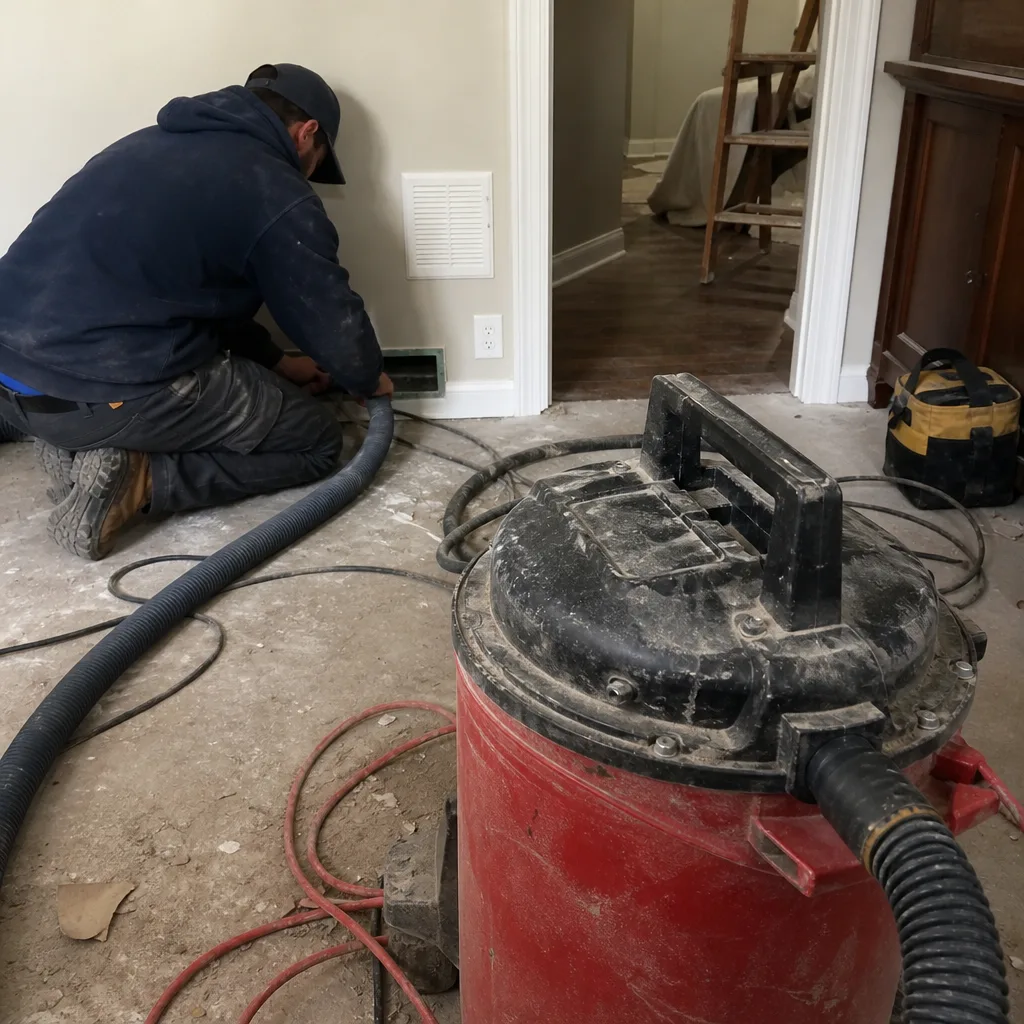 Before
 After
 Before
 After
 Before
 After